

Key Takeaways
- Body weight is one data point among many - it rarely reflects the full picture of fitness progress.
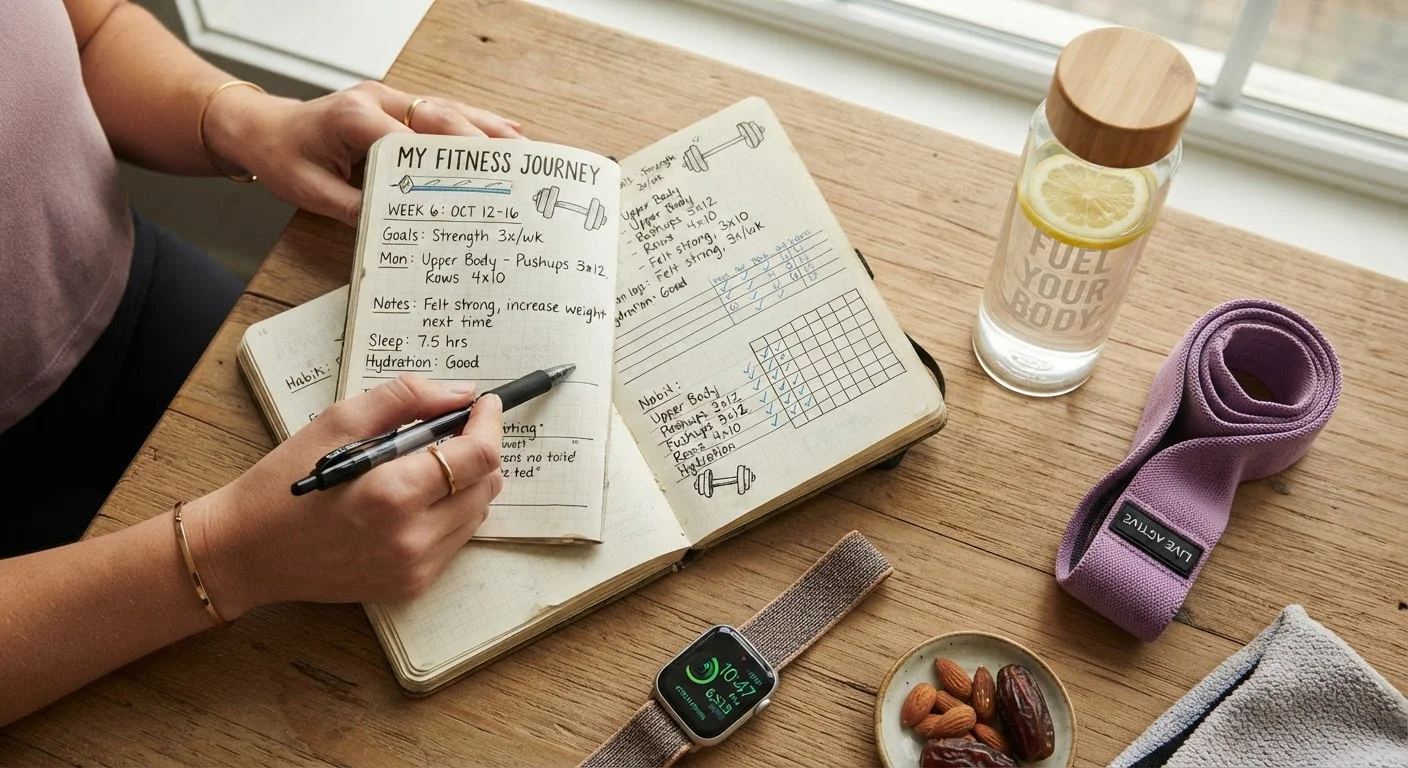
- Tracking strength, endurance, energy levels, and mobility offers a more complete view of improvement.
- Consistent journaling and performance milestones can sustain motivation better than daily weigh-ins.
- Obsessive scale-checking can undermine long-term wellness; balanced tracking supports healthier habits.
Why the Scale Tells an Incomplete Story
For most people, the bathroom scale is the default fitness tracker. It's immediate, familiar, and feels objective. But body weight fluctuates daily - sometimes by several pounds - based on hydration, sodium intake, hormonal shifts, and even the time of day. None of those fluctuations reflect actual gains or losses in fitness capacity.
Muscle tissue is denser than fat, which means someone building strength and losing fat simultaneously may see little change on the scale - or even a slight increase - while their body composition improves meaningfully. Relying solely on weight can cause confusion and frustration precisely when real progress is happening.
This doesn't mean body weight has no place in a wellness routine. It can be one useful signal among many, particularly for people managing specific health conditions under professional guidance. But when the number becomes the only metric, it tends to overshadow more instructive evidence of improvement. See our common fitness myths examined to understand other ways popular assumptions can derail early progress.
Better Metrics to Track Your Fitness
Shifting your attention to performance-based markers tends to be far more motivating - and more accurate - than a number on a dial. Below are practices that can help you build a richer, more honest picture of where your fitness stands.
Record strength milestones rather than just body measurements
The ability to lift a heavier load, complete more repetitions, or hold a plank longer are direct indicators of neuromuscular adaptation and functional improvement. These gains are concrete and motivating in a way that a scale reading rarely is.
Track cardiovascular endurance through effort and recovery
How hard your heart works during a given activity - and how quickly it recovers afterward - reflects real changes in cardiovascular fitness. These markers improve noticeably with consistent aerobic effort, often before body weight shifts at all.
Log energy levels, sleep quality, and mood alongside workouts
Sustained exercise typically improves sleep, reduces fatigue, and supports emotional regulation over time. These subjective but real changes are often the first signs that a fitness routine is working - and they're easy to overlook if you're focused exclusively on physical metrics.
Assess mobility and flexibility as fitness indicators
The ability to move through a full range of motion without pain or restriction is a meaningful health marker, especially as we age. Improvements in flexibility and joint mobility contribute to injury prevention and are a legitimate sign of physical progress.
Use photos or clothing fit as optional, low-pressure check-ins
Body composition changes are often visible before they're measurable by scale. Monthly photos taken in consistent conditions, or noticing how familiar clothes fit, can provide context without the emotional volatility that daily weigh-ins can create.
For a deeper look at how incremental effort translates to long-term results, explore the principle of progressive overload, which underpins virtually every effective training plan.
Building a Sustainable Tracking Habit
Tracking fitness progress works best when it's simple, consistent, and focused on patterns over time rather than day-to-day noise. A short weekly check-in - noting what workouts you completed, how you felt, and any performance milestones - takes less than ten minutes and builds a surprisingly useful record over months.
If you're finding that any form of tracking - including performance-based tracking - is producing anxiety or compulsive checking, that's worth paying attention to. Wellness habits should generally feel supportive, not stressful. The Wellness Habits hub offers broader context on building daily practices that serve your mental and physical health together.
You might also find it useful to check signs that your routine needs recalibration - plateaus and fatigue are normal signals, not failures.
This article is for general informational purposes only and is not a substitute for professional medical or fitness advice. Consult a qualified healthcare provider before beginning or changing any exercise program, especially if you have an existing health condition.