

| Senior threshold - small dogs | Approximately 10-12 years (American Veterinary Medical Association general guidelines) |
| Senior threshold - large/giant dogs | Approximately 7-8 years (American Veterinary Medical Association general guidelines) |
| Senior threshold - cats | Approximately 11 years (American Association of Feline Practitioners (AAFP) life-stage guidelines) |
| Geriatric threshold - cats | 15 years and older (American Association of Feline Practitioners (AAFP)) |
| Recommended vet visit frequency (seniors) | Every 6 months (Broadly recommended by veterinary professional organizations) |
| Senior life stage - rabbits | Approximately 5-6 years (House Rabbit Society general guidance) |
What 'Senior' Actually Means by Species
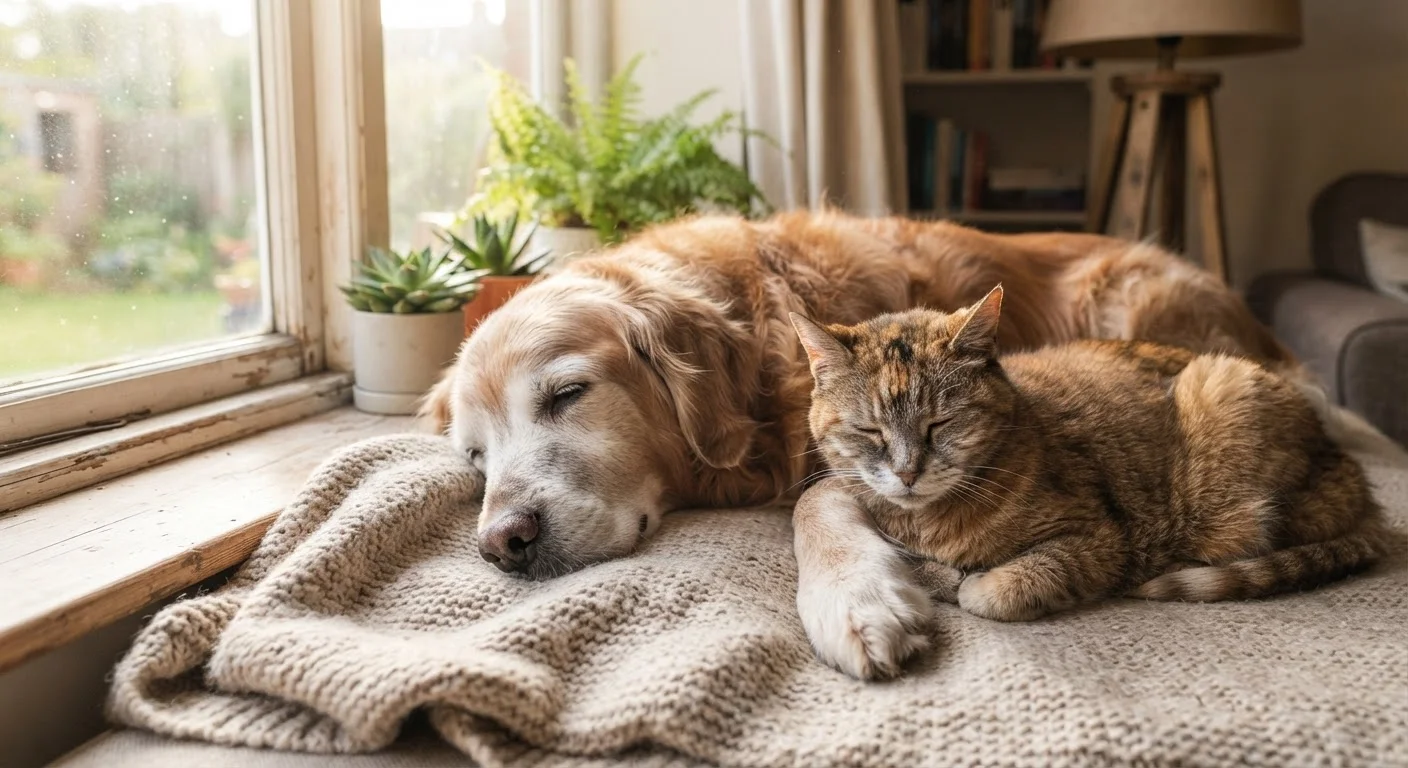
The word "senior" means something different depending on which animal is wearing it. Dogs are generally considered senior between ages 7 and 10, with larger breeds crossing that threshold earlier than small ones - a Great Dane may be geriatric at 7 while a Chihuahua is just hitting middle age. Cats typically enter their senior phase around age 11, with the American Association of Feline Practitioners classifying cats 15 and older as geriatric. Small mammals like rabbits, guinea pigs, and hamsters have compressed lifespans, reaching their senior years in as little as two to three years.
| Senior threshold - small dogs | Approximately 10-12 years (American Veterinary Medical Association general guidelines) |
| Senior threshold - large/giant dogs | Approximately 7-8 years (American Veterinary Medical Association general guidelines) |
| Senior threshold - cats | Approximately 11 years (American Association of Feline Practitioners (AAFP) life-stage guidelines) |
| Geriatric threshold - cats | 15 years and older (American Association of Feline Practitioners (AAFP)) |
| Recommended vet visit frequency (seniors) | Every 6 months (Broadly recommended by veterinary professional organizations) |
| Senior life stage - rabbits | Approximately 5-6 years (House Rabbit Society general guidance) |
Understanding these timelines matters because the biological changes of aging - decreased organ reserve, slower metabolism, shifting immune function - begin well before outward signs appear. Proactive veterinary care, adjusted nutrition, and attentive observation become more important, not less, as pets move into these stages. See our guide to feeding senior dogs and cats for nutrition-specific guidance.
Common Age-Related Changes Across Species
Aging affects pets across several body systems simultaneously. While individual variation is wide, certain patterns emerge consistently across species:
- Dogs: Joint stiffness and reduced mobility are among the earliest and most common signs, often accompanied by changes in sleep patterns, slower responses to commands, and cloudiness of the lens (lenticular sclerosis) - distinct from the vision-impairing cataracts that can also develop. Cognitive dysfunction syndrome, a condition resembling dementia, affects a meaningful portion of dogs over age 11 and can cause disorientation, altered sleep-wake cycles, and house-training lapses.
- Cats: Hyperthyroidism, chronic kidney disease, dental disease, and hypertension are among the most frequently diagnosed conditions in cats over 10. Cats are notably skilled at masking discomfort; subtle cues such as reduced grooming, weight loss, or changes in litter box use may be the first visible signals. Our article on recognizing hidden pain in pets covers this instinct in depth.
- Small mammals and birds: Rabbits may develop arthritis and dental disease; guinea pigs are prone to musculoskeletal changes and skin tumors. Parrots and other birds can live for decades but show aging through feather quality changes, reduced vocalization, and altered activity levels. Because these species often conceal illness effectively, any behavioral shift warrants prompt veterinary attention.
Geriatric
The most advanced life stage in pets, occurring after the senior phase. In cats, this typically applies to animals 15 years or older; in dogs, the threshold varies by breed size. Geriatric animals often require more intensive monitoring and adapted care.
Lenticular sclerosis
A normal, age-related change in the eye lens of dogs that causes a bluish-gray haze. Unlike cataracts, lenticular sclerosis does not typically cause significant vision impairment and does not require treatment.
Cognitive dysfunction syndrome
A neurological condition in aging dogs and cats characterized by declining memory, disorientation, altered sleep patterns, and changes in behavior. It shares similarities with dementia in humans and is managed, not cured, with veterinary support.
Chronic kidney disease (CKD)
A progressive loss of kidney function common in older cats and dogs. It is often identified through blood and urine tests before obvious symptoms appear, making routine screening critical for senior pets.
Hyperthyroidism
A condition in which the thyroid gland produces excess hormone, most commonly seen in older cats. Signs include weight loss despite increased appetite, hyperactivity, and sometimes vomiting. It is diagnosable and manageable with veterinary care.
Organ reserve
The extra functional capacity that organs hold beyond minimum requirements. As animals age, organ reserve diminishes, meaning illness, stress, or injury can more quickly overwhelm organ systems that once recovered easily.
Regardless of species, changes in drinking and urination habits deserve particular attention as pets age. Monitoring fluid intake and output can provide early warning of kidney disease, diabetes mellitus, and other systemic conditions.
How Wellness Care Shifts for Older Pets
The structure of preventive care changes meaningfully once a pet enters the senior life stage. Key adjustments include:
- More frequent veterinary exams. Most veterinary guidelines recommend twice-yearly wellness visits for senior and geriatric pets rather than the annual schedule typical in younger years. Because disease can progress quickly in older animals, the additional touchpoint allows earlier detection and intervention.
- Expanded diagnostic screening. Routine bloodwork, urinalysis, blood pressure measurement, and thyroid panels become standard rather than optional. These tests establish individual baselines and help catch organ changes before clinical signs emerge.
- Nutritional reassessment. Senior pets often need adjustments to caloric density, protein quality, and specific nutrients such as omega-3 fatty acids for joint and cognitive support. The full nutritional arc from puppyhood to senior years illustrates how feeding strategies evolve over a dog's lifetime.
- Adapted enrichment and exercise. Older pets still need mental and physical stimulation - but the type and intensity should match their current capacity. Low-impact activities, shorter sessions, and cognitively engaging environments can support quality of life without stressing aging joints or cardiovascular systems. See species-specific enrichment strategies for practical options.
- Environmental modifications. Ramps instead of stairs, orthopedic bedding, raised food and water bowls, and additional litter boxes on each floor can meaningfully reduce daily discomfort for arthritic or mobility-impaired animals.
Use an Annual Checklist to Stay on Track
Keeping up with senior wellness involves more than scheduling vet visits. Tracking weight trends, food quality, hydration, and behavioral changes between appointments helps your veterinarian get a fuller picture. Consider using a structured approach - our annual pet nutrition checklist is a practical starting point for year-round monitoring.
This article is for general informational purposes only and does not constitute veterinary medical advice. Always consult a licensed veterinarian regarding your individual pet's health needs and care plan.