

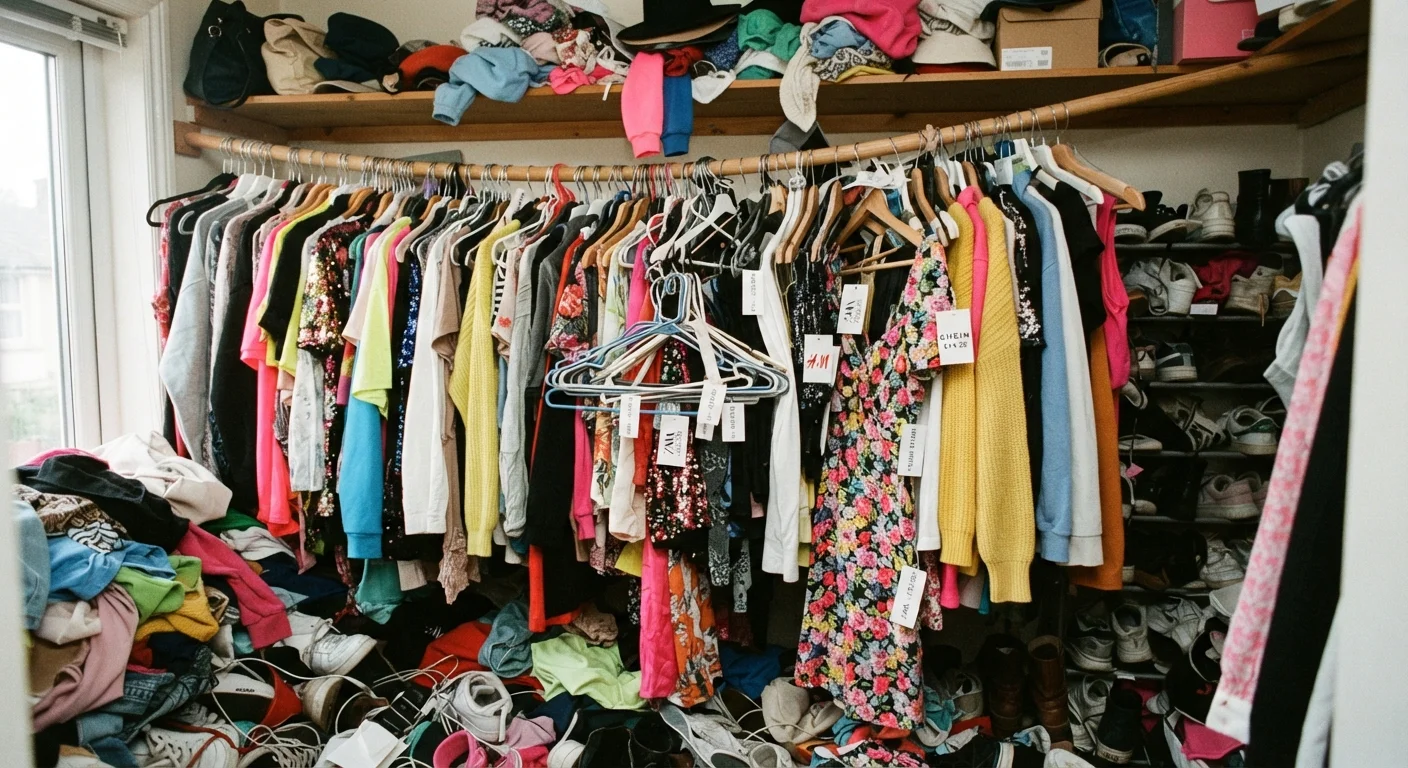
Key Takeaways
- Chasing every trend typically creates financial waste and a closet full of unworn pieces.
- Trend fatigue is real: constant style reinvention can erode your sense of personal identity.
- A curated, personal aesthetic tends to produce more confidence and fewer regrettable purchases.
- Environmental costs of fast-fashion trend cycles are significant and increasingly well-documented.
- Selectively engaging with trends - rather than wholesale adoption - is a more sustainable approach.
The Real Cost of Keeping Up
Fashion trends move faster than they ever have, driven by a 24-hour content cycle that conflates visibility with necessity. The result for many consumers is a closet that feels simultaneously overfull and unwearable - packed with pieces that made sense on a screen but don't cohere in real life. Understanding why this happens is the first step toward dressing with more intention.
The costs aren't only financial, though those are real. There's also the cognitive overhead of constant aesthetic reinvention, the environmental weight of high-turnover purchasing, and the quiet erosion of personal style that comes from outsourcing your wardrobe decisions to trend cycles. For a balanced look at what trend-led dressing actually trades off, see the upsides and downsides of trend-led dressing.
~$1,700
Average annual American clothing spend
The U.S. Bureau of Labor Statistics Consumer Expenditure Survey consistently places average household apparel spending in this range, much of which industry analysts attribute to impulse and trend-driven purchases.
70%
Fast-fashion items worn fewer than 3 times
Research by the Ellen MacArthur Foundation found that a significant share of fast-fashion garments are discarded quickly, reflecting the mismatch between trend purchasing and actual lifestyle needs.
Mistakes That Keep Happening - and How to Break the Pattern
Most trend-chasing mistakes are structural, not personal. They're the predictable result of how fashion content is produced and distributed - designed to generate urgency, not to serve your wardrobe. Recognizing these patterns makes them far easier to interrupt. Many of the same cognitive traps are documented across consumer behavior research and align closely with the buyer pitfalls that affect purchasing decisions well beyond fashion.
Buying trend pieces without considering your existing wardrobe.
Why it happens: Trend items are often presented as standalone 'looks' in editorial and social content, making them seem self-sufficient. In reality, they rarely integrate naturally with a wardrobe built around different aesthetics.
Treating social media virality as a proxy for personal relevance.
Why it happens: When a look dominates a feed, the sheer volume of exposure creates a false sense of universal adoption. Most viral trends are demographically and geographically narrower than they appear.
Ignoring the difference between a trend's peak and its longevity.
Why it happens: Fashion coverage tends to concentrate on a trend at its most visible point - which is often just before it begins to recede. Consumers catch the signal late and invest right at the top.
Underestimating the cumulative financial cost of small trend purchases.
Why it happens: Individual trend items - especially at fast-fashion price points - feel low-stakes. The per-item cost obscures the aggregate spend across a season or year.
Confusing trend adoption with developing a personal style.
Why it happens: Trends offer a ready-made aesthetic identity, which can feel easier than the slower process of building a genuinely personal look. But borrowed aesthetics rarely produce lasting confidence.
Your Style Is Not a Checklist
No single trend is obligatory. Fashion media and social platforms are designed to generate urgency, but there is no rule requiring you to adopt any look. Dressing well is about coherence with your own life, not compliance with a rotating editorial calendar. Before any purchase, ask whether the item fits the wardrobe you already own - not the one trend forecasters are imagining for you.
It's also worth interrogating which "rules" you're following in the first place. Many widely circulated style norms don't hold up under scrutiny - fashion myths that shape how Americans dress examines several of the most persistent ones.
Trend Content Is Designed to Create Urgency
Social media algorithms surface trend content precisely because high-frequency posting drives engagement. What looks like a cultural consensus is often an amplified micro-moment. Before treating any 'must-have' item as essential, consider whether you're responding to genuine desire or manufactured scarcity. The smart shopping red flags around impulse buying apply directly to trend-driven wardrobe decisions.