

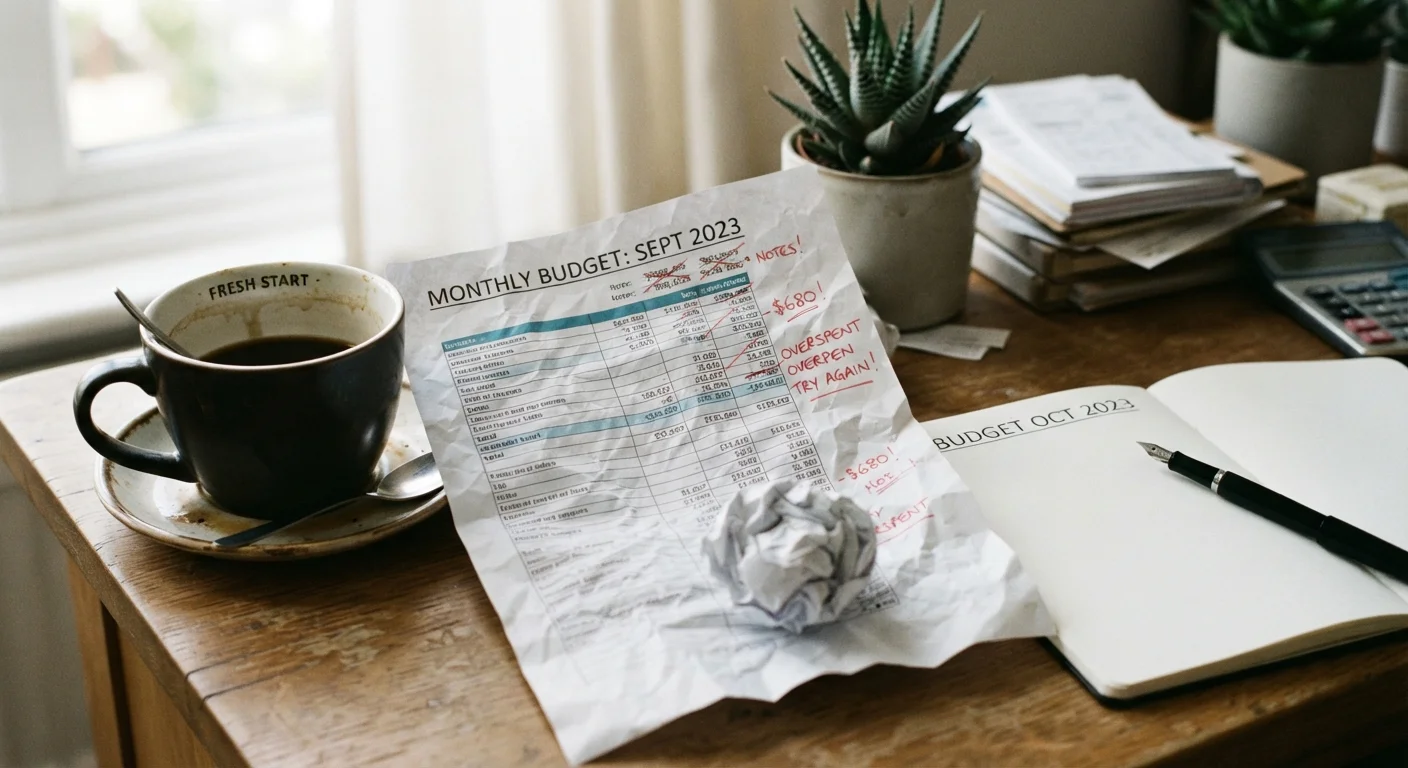
Key Takeaways
- Budgets typically collapse in week two because of unrealistic spending limits, not lack of willpower.
- Irregular and forgotten expenses are among the most common budget-busters for new planners.
- Small adjustments to how you build and track a budget often matter more than the budget itself.
- Treating a budget as a rigid rule rather than a flexible guide is a leading reason people quit.
- Building a small buffer for unplanned spending dramatically improves budget survival rates.
The Real Reason Budgets Break Down
Most people assume their budget fails because they lack discipline. The more accurate explanation is structural: the budget itself was built on assumptions that don't match real life. Understanding the difference changes how you approach the problem.
If you've ever started a budget with genuine intention and watched it unravel by week two, you're not alone - and it's not a character flaw. The breakdown usually traces back to a handful of predictable design errors that are surprisingly easy to fix once you know what to look for.
For a thorough starting point, see our plain-language budgeting guide that walks through every step from scratch. And if you've ever talked yourself out of budgeting before you started, our article on common budgeting myths addresses the beliefs that tend to get in the way.
~33%
Americans with a written monthly budget
Surveys consistently find that fewer than one in three American adults maintains a detailed written or tracked budget, according to data from the National Financial Educators Council and similar organizations.
Week 2
When most new budgets break down
Financial planning practitioners commonly observe that the second week of a new budget is the highest-risk period, when the initial motivation fades and irregular spending first appears.
$400
Typical unplanned monthly expense
Federal Reserve consumer finance surveys have found that a significant share of U.S. households regularly face unexpected expenses in or around this range, which most budgets do not account for.
The Mistakes That Sink Most Budgets
Each of the errors below is common, correctable, and far more responsible for budget failure than willpower or income level. Work through them honestly - most people recognize at least two or three immediately.
Building a budget around ideal spending rather than actual spending.
Why it happens: New budgeters often estimate what they wish they spent on groceries, dining, or gas rather than reviewing what they actually spent over the last few months.
Leaving out irregular expenses entirely.
Why it happens: Expenses like car registration, annual subscriptions, holiday gifts, and medical copays don't show up every month, so they're easy to overlook when building a monthly plan.
Using a single spending category for everything discretionary.
Why it happens: Lumping dining out, clothing, entertainment, and personal care into one "misc" bucket makes it nearly impossible to see where money is actually going until it's already gone.
Setting no buffer for unplanned spending.
Why it happens: First-time budgeters often account for every dollar of income, leaving nothing for the unexpected - a parking ticket, a friend's birthday dinner, or a minor car repair.
Tracking spending only at the end of the month.
Why it happens: Reviewing totals once a month feels like enough oversight, but by then it's too late to correct course - the money is already spent.
A Budget Is a Plan, Not a Promise
No budget survives every month perfectly - and it shouldn't have to. The goal is a realistic framework that guides decisions, not a contract that punishes you for being human. If your budget breaks down repeatedly in the same spot, that's data, not failure. Use it to revise the plan.
One foundational skill that supports all of these fixes is knowing how to categorize your spending correctly. Our guide on fixed vs. variable expenses explains how to handle costs that stay the same versus those that shift each month - a distinction that shapes every budget decision you make.
Building a Budget That Lasts Past Week Two
Once you've identified which mistakes apply to your situation, the next step is building a more durable structure. The goal isn't a perfect budget - it's a realistic one that you can actually maintain and learn from over time.
Don't Abandon a Budget After One Bad Week
Many people treat the first overspend as proof that budgeting doesn't work for them. In reality, one difficult week is normal - especially for new budgeters adjusting to tracking. Quitting resets all progress. Instead, note where the breakdown happened, adjust that category, and continue.
Start by using a consistent setup process each month. Our monthly budget setup checklist walks through each step: confirming income, categorizing expenses, setting limits, and reviewing progress before the next cycle begins. Pairing that with the right habits makes a measurable difference - the habits of consistent budgeters piece covers the evidence-backed routines that separate people who sustain a budget from those who abandon it.
Budgeting is also closely tied to how you shop and spend day-to-day. If you want to stretch your plan further, exploring strategies around smart budget buying can reinforce the financial habits you're building.
This article is for general informational and educational purposes only. It does not constitute personalized financial advice. For guidance specific to your financial situation, consider consulting a qualified financial professional.