

Key Takeaways
- Most dogs and cats show signs of periodontal disease by age three, according to veterinary dental guidelines.
- Pets instinctively hide oral pain, so owners often don't notice the problem until it's advanced.
- Plaque hardens into tartar within 24-48 hours, making daily home care highly effective when done consistently.
- Untreated dental disease can affect the heart, kidneys, and liver through bacterial spread.
- Professional veterinary dental cleanings under anesthesia remain the standard for thorough assessment and treatment.
- Preventive dental care is a year-round commitment, not a single annual event.
Periodontal Disease in Pets
Periodontal disease is a progressive infection of the structures supporting a pet's teeth - including the gums, ligaments, and jawbone. It begins with plaque buildup that hardens into tartar, eventually causing gum inflammation, bone loss, and tooth loss if left untreated. It is the most commonly diagnosed health condition in adult dogs and cats in the United States.
Periodontal disease is graded on a scale of 1 to 4 by veterinarians; Stage 1 (gingivitis) is fully reversible, while Stages 2-4 involve irreversible bone and tissue damage requiring more intensive intervention.
Why Dental Disease Flies Under the Radar
Ask most pet owners to list their biggest health concerns, and dental disease rarely tops the list. Yet the American Veterinary Dental College reports that the majority of dogs and cats show evidence of periodontal disease by the time they reach age three. The disconnect isn't negligence - it's biology.
Pets are remarkably good at concealing discomfort. A dog with significant gum inflammation may still eat enthusiastically, play normally, and show no obvious distress. This instinct to mask pain likely evolved as a survival mechanism, but it means owners have no reliable behavioral signal that something is wrong. As our guide to recognizing hidden pain in pets explains, subtle behavioral shifts - not dramatic displays - are often the only clues.
The result is that dental disease advances silently through its early, most treatable stages, becoming a serious problem by the time owners or even veterinarians notice outward signs.
~80%
Adult dogs with some periodontal disease
Veterinary dental guidelines estimate that the majority of dogs show signs of periodontal disease by age three, making it the most commonly diagnosed condition in canine patients.
24-48 hrs
Time for plaque to harden into tartar
Without physical removal, soft plaque mineralizes into calculus within one to two days, which then requires professional scaling to eliminate.
Stage 1
Only reversible stage of periodontal disease
Gingivitis (Stage 1) is the sole stage where full tissue recovery is possible; Stages 2-4 involve permanent bone and ligament damage.
How Periodontal Disease Develops
The process begins simply: bacteria in the mouth form a soft film called plaque on the tooth surface. Without removal, plaque mineralizes into tartar (calculus) within as little as 24 to 48 hours. Tartar cannot be brushed away - it requires professional scaling.
As tartar accumulates at and below the gumline, the immune system responds with inflammation. This is gingivitis - the earliest, fully reversible stage of periodontal disease. Left untreated, the infection deepens into the structures anchoring the tooth: the periodontal ligament and the surrounding bone. At this point, the damage is permanent. Teeth may loosen, abscesses can form, and the jawbone itself can deteriorate.
Bacteria from advanced oral infections can also enter the bloodstream. Veterinary research has identified associations between severe periodontal disease and changes in kidney, liver, and heart tissue - reinforcing that oral health is genuinely connected to systemic wellbeing.
Small Breeds Face Higher Risk
Small and toy dog breeds - as well as flat-faced (brachycephalic) breeds like Bulldogs and Persians - tend to experience dental disease earlier and more severely. Crowded teeth create more surface area for plaque accumulation and fewer natural self-cleaning opportunities. Owners of these breeds should discuss breed-specific dental monitoring with their veterinarian.
What Preventive Dental Care Actually Involves
Effective dental care for pets operates on two levels: what owners do at home and what veterinarians provide professionally.
Home Care
Daily tooth brushing with a pet-safe toothpaste remains the most evidence-supported home intervention. Enzymatic toothpastes formulated for animals help break down plaque between brushing sessions. Veterinary Oral Health Council (VOHC)-accepted dental chews, water additives, and prescription dental diets can complement brushing but are generally not substitutes for it.
Professional Veterinary Cleanings
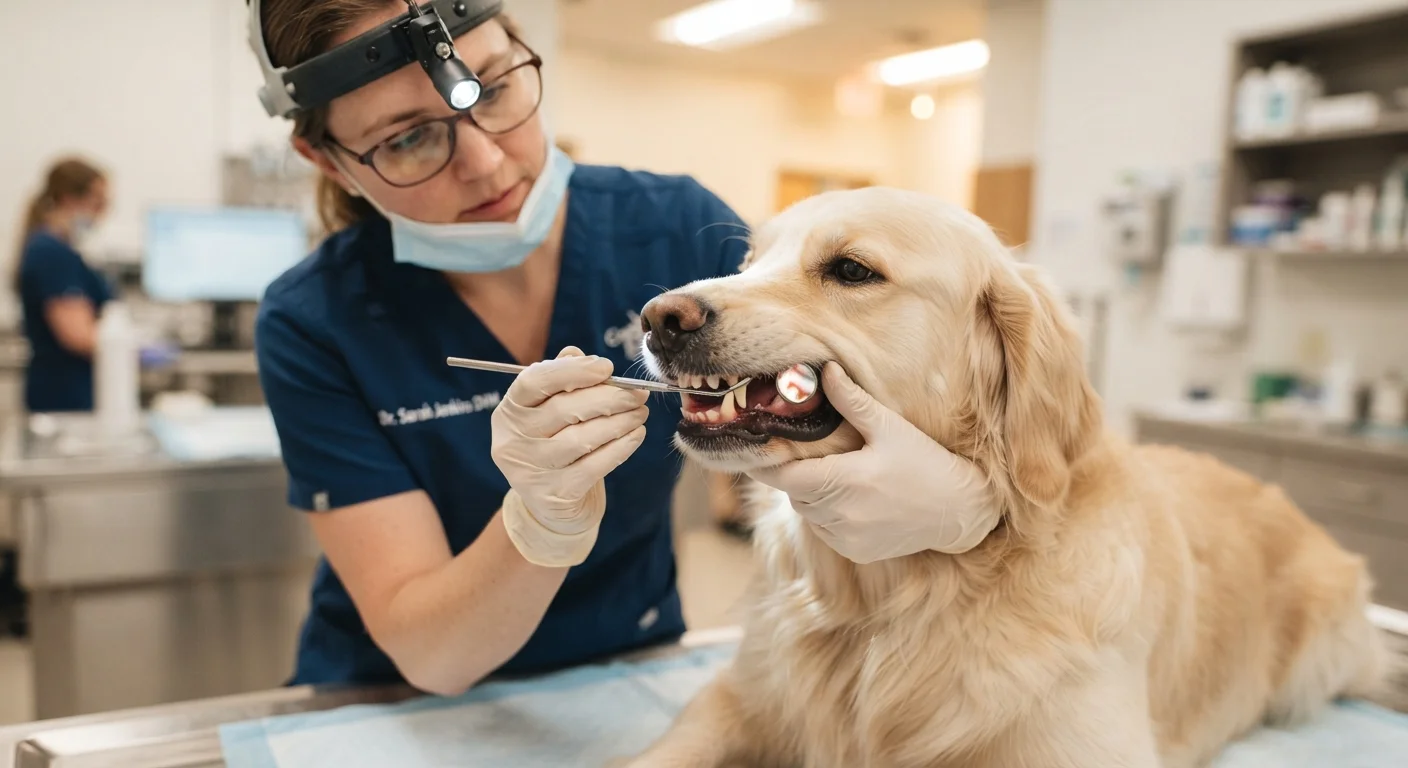
A professional dental cleaning under general anesthesia is the standard of care for comprehensive oral assessment and treatment. It allows veterinarians to probe below the gumline, take full-mouth dental X-rays, and safely remove tartar from surfaces that home care cannot reach. The American Veterinary Dental College is clear: anesthesia-free cleanings performed without proper examination are inadequate and can give owners a false sense of security.
Frequency of professional cleanings varies by individual animal - breed, age, diet, and genetics all play a role. Your veterinarian is the right person to set an appropriate schedule. Skipping these visits can have real long-term consequences, as our article on the financial and health costs of skipping preventive care explores.
Look for the VOHC Seal of Acceptance
The Veterinary Oral Health Council (VOHC) evaluates dental products for pets and awards its seal to those that meet defined efficacy standards for plaque or tartar reduction. When selecting dental chews, water additives, or dental diets, looking for the VOHC seal is a practical way to identify products with documented evidence behind them - rather than relying on marketing claims alone.
What Owners Can Do Starting Today
The most important first step is raising dental health as a topic at your pet's next routine veterinary visit. Many owners assume their vet will flag a problem unprompted - and often they will - but proactively asking for an oral health assessment ensures it gets dedicated attention.
At home, introduce tooth brushing gradually. Use a finger brush or soft-bristled pet toothbrush with enzymatic toothpaste designed for animals. Begin with brief sessions and reward generously. Tolerance builds over time, especially when started in younger animals.
Be aware of the warning signs that warrant a sooner-than-scheduled vet visit: persistent bad breath, visible brown or yellow deposits on teeth, red or swollen gums, pawing at the mouth, dropping food, or changes in chewing behavior. Because pets hide pain so effectively, knowing what subtle pain signals look like is a genuinely useful skill for any owner.
Dental disease is common, but it isn't inevitable. Consistent attention - at home and with your veterinarian - can keep most pets free from serious oral disease throughout their lives.
This article is for general informational purposes only and does not constitute veterinary medical advice. Always consult a licensed veterinarian for guidance specific to your pet's health needs.