

Key Takeaways
- Preventive veterinary care typically costs far less than treating advanced illness or emergency conditions.
- Dental disease affects the majority of adult dogs and cats, yet is largely preventable with routine care.
- Parasite prevention is a year-round commitment in most US climates, not a seasonal one.
- Skipping annual wellness exams can allow silent conditions - like kidney disease or heart murmurs - to progress undetected.
- Pet wellness plans and insurance can reduce the financial barrier to consistent preventive care.
Early detection of silent or slow-developing conditions
Regular bloodwork and physical exams can identify kidney disease, thyroid dysfunction, and cardiac changes before clinical symptoms appear, when treatment options are broader and less expensive.
Lower lifetime veterinary spending overall
Preventing heartworm disease, treating early-stage dental disease, and catching weight gain before it becomes obesity all cost less than managing the advanced versions of those same problems.
Stronger veterinarian-patient relationship and health baseline
A vet who sees your pet annually has context - they know what is normal for that individual, making deviations from baseline easier to spot and investigate promptly.
Protection against zoonotic and communicable diseases
Vaccines and parasite prevention protect not only your pet but also other animals in your household and, in the case of rabies or certain parasites, human family members as well.
Supports better quality of life and longevity
Pets maintained at a healthy weight, free of dental pain, and screened regularly tend to remain active and comfortable longer - an outcome most owners value highly regardless of cost.
Upfront costs create a real barrier for some households
Annual wellness exams, vaccines, dental cleanings, and monthly preventives represent a meaningful recurring expense that genuinely strains budgets for lower-income pet owners, even when the long-term math favors prevention.
No guarantee of catching every problem early
Preventive screening is valuable but not infallible - some conditions progress rapidly between annual visits or present in ways not captured by standard wellness bloodwork panels.
Over-treatment risk in some clinical contexts
Routine screening can occasionally identify ambiguous findings that lead to further testing and intervention that may not ultimately benefit the pet, a phenomenon recognized in both human and veterinary medicine.
Geographic and access disparities in veterinary care
Rural areas and some urban communities face veterinarian shortages, longer wait times, and fewer low-cost clinic options, making consistent preventive care structurally harder to maintain regardless of intent or budget.
Our Verdict
Preventive care is not an optional upgrade - it is the financial and medical foundation of responsible pet ownership. The upfront costs of routine exams, vaccines, dental cleanings, and parasite prevention are consistently lower than the emergency and specialist bills that accumulate when problems go undetected. For most pet owners, the question is not whether they can afford preventive care, but whether they can afford to skip it.
Any US pet owner who wants to minimize unexpected veterinary expenses and give their animal the longest, healthiest life possible.
What Preventive Veterinary Care Actually Covers
Preventive care is a broad category that includes annual or semi-annual wellness exams, core and lifestyle vaccinations, heartworm testing and prevention, flea and tick control, intestinal parasite screening, and professional dental cleanings. Together, these services form a consistent health baseline for your pet across every life stage.
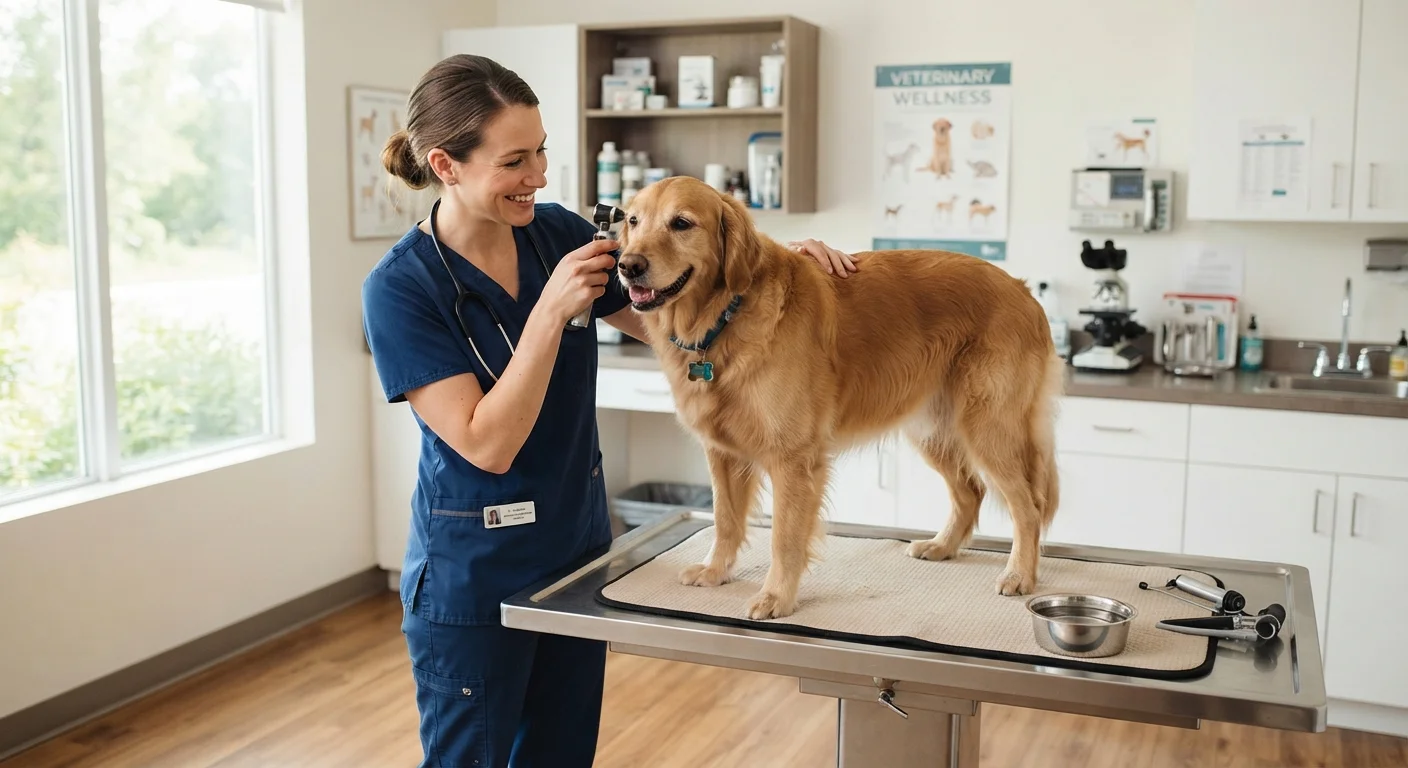
A routine wellness exam does considerably more than confirm your pet is alive and eating. Veterinarians assess body weight and condition score, palpate lymph nodes and the abdomen, listen to heart and lung sounds, examine teeth and gums, and often run baseline bloodwork in middle-aged or senior animals. These touchpoints build a longitudinal health record - which is exactly what makes subtle changes detectable before they become crises.
Wellness Schedules Vary by Life Stage
Puppies and kittens require more frequent visits during their first year for vaccine series completion and developmental monitoring. Adult pets generally follow annual schedules, while senior animals - typically dogs and cats over seven years - often benefit from semi-annual exams and more comprehensive bloodwork. Ask your veterinarian what cadence makes sense for your specific pet's age, breed, and health history.
The Real Cost of Waiting: Emergency vs. Preventive Spending
The financial math of preventive care is straightforward, even if it is rarely framed that way. A heartworm test and a year's supply of preventive medication cost a fraction of what heartworm treatment costs - a multi-week protocol involving injectable medications, exercise restriction, and monitoring visits. Dental disease tells the same story: a professional cleaning under general anesthesia is significantly less expensive than treating advanced periodontal disease requiring multiple extractions.
Dental disease is a particularly instructive example because it progresses silently. By the time visible symptoms appear - difficulty eating, bad breath, facial swelling - the condition has often been advancing for months or years. The same principle applies to chronic kidney disease, diabetes, and hyperthyroidism in cats: these conditions are manageable when caught early and expensive to treat when they reach late stages.
~80%
Dogs showing signs of dental disease by age 3
According to the American Veterinary Medical Association, the majority of dogs exhibit some degree of periodontal disease by the time they reach age three.
10-15x
Cost of heartworm treatment vs. prevention
Veterinary cost estimates consistently show that treating an active heartworm infection costs many times more than a full year of monthly preventive medication.
Advantages of Staying Current on Preventive Care
Consistent preventive care delivers benefits that extend well beyond the vet's office, affecting your pet's quality of life and your household budget in tangible ways.
Early detection of silent or slow-developing conditions
Regular bloodwork and physical exams can identify kidney disease, thyroid dysfunction, and cardiac changes before clinical symptoms appear, when treatment options are broader and less expensive.
Lower lifetime veterinary spending overall
Preventing heartworm disease, treating early-stage dental disease, and catching weight gain before it becomes obesity all cost less than managing the advanced versions of those same problems.
Stronger veterinarian-patient relationship and health baseline
A vet who sees your pet annually has context - they know what is normal for that individual, making deviations from baseline easier to spot and investigate promptly.
Protection against zoonotic and communicable diseases
Vaccines and parasite prevention protect not only your pet but also other animals in your household and, in the case of rabies or certain parasites, human family members as well.
Supports better quality of life and longevity
Pets maintained at a healthy weight, free of dental pain, and screened regularly tend to remain active and comfortable longer - an outcome most owners value highly regardless of cost.
Honest Drawbacks Worth Acknowledging
Preventive care is the right framework for most pets, but it is worth understanding its limitations and the real barriers pet owners face.
Upfront costs create a real barrier for some households
Annual wellness exams, vaccines, dental cleanings, and monthly preventives represent a meaningful recurring expense that genuinely strains budgets for lower-income pet owners, even when the long-term math favors prevention.
No guarantee of catching every problem early
Preventive screening is valuable but not infallible - some conditions progress rapidly between annual visits or present in ways not captured by standard wellness bloodwork panels.
Over-treatment risk in some clinical contexts
Routine screening can occasionally identify ambiguous findings that lead to further testing and intervention that may not ultimately benefit the pet, a phenomenon recognized in both human and veterinary medicine.
Geographic and access disparities in veterinary care
Rural areas and some urban communities face veterinarian shortages, longer wait times, and fewer low-cost clinic options, making consistent preventive care structurally harder to maintain regardless of intent or budget.
Building a Preventive Care Routine That Works for Your Household
The most effective preventive care strategy is one you can sustain. Start by establishing care with a single primary veterinarian who knows your pet's history. Pair annual exams with a nutrition review - weight changes and dietary quality are among the most modifiable factors in long-term health.
For parasite prevention, work with your vet to select products appropriate for your geographic region and your pet's lifestyle. Tick-borne diseases like Lyme and Rocky Mountain spotted fever vary significantly by region, and indoor-outdoor status affects exposure risk. Cats with outdoor access face meaningfully different parasite and disease risks than fully indoor animals.
Finally, build a financial safety net alongside your prevention routine. Pet wellness plans offered through some veterinary practices spread routine care costs across monthly payments. Pet health insurance, purchased before a condition is diagnosed, can reduce the financial shock of unexpected illness - though policy terms and exclusions vary widely, so reading the fine print matters. Being prepared financially and medically means fewer forced tradeoffs between your pet's health and your budget.
This article is for general informational purposes only and does not constitute veterinary or financial advice. Consult a licensed veterinarian for guidance specific to your pet's health needs.