

Key Takeaways
- Protein percentage on a label tells you how much protein is present, not how usable it is.
- Amino acid completeness - especially essential amino acids - is what drives real nutritional value.
- Digestibility varies widely between protein sources; animal proteins are generally more bioavailable for dogs and cats.
- Cats require taurine, an essential amino acid absent from many plant-based proteins.
- Life stage, species, and health status all affect how much protein quality matters for your pet.
- Always consult a veterinarian or board-certified veterinary nutritionist for personalized feeding guidance.
Protein Quality vs. Protein Quantity
Protein quantity refers to the total percentage of protein listed on a pet food label. Protein quality, by contrast, describes how well that protein actually serves your pet's body - determined by its digestibility and the completeness of its amino acid profile. A food can be high in protein by percentage yet deliver far less usable nutrition than a food with a lower but higher-quality protein source.
Digestibility is often measured using the protein digestibility corrected amino acid score (PDCAAS) or biological value (BV), both of which assess how effectively an animal can absorb and utilize the protein provided.
Why the Number on the Label Isn't the Whole Story
When pet owners scan a bag of dog or cat food, the crude protein percentage is one of the first numbers they notice. It seems straightforward: higher means more protein, and more protein means better nutrition. But this reasoning has a significant gap. Crude protein measurement - the standard method used on pet food guaranteed analyses - captures nitrogen content and converts it to a protein estimate. It does not measure how much of that protein a pet's digestive system can actually break down and absorb.
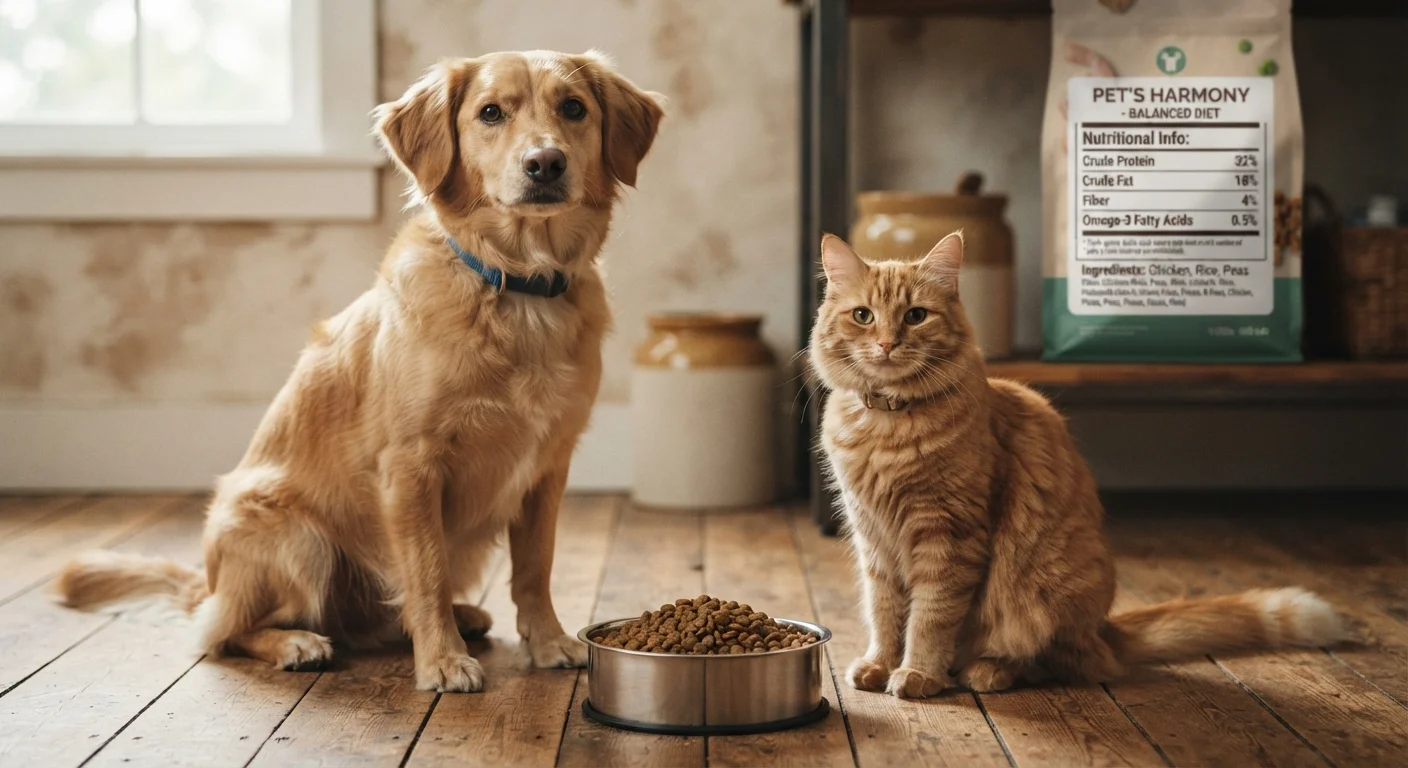
This distinction matters enormously in practice. Understanding what pet food labels are actually telling you is the first step toward evaluating protein claims accurately. A food listing 32% crude protein from highly digestible chicken meal delivers meaningfully different nutrition than one listing 32% from lower-digestibility plant concentrates or feather meal.
~80-90%
Digestibility of high-quality animal protein in pets
Animal-based proteins such as egg and muscle meat can reach digestibility rates of 80-90% or higher, compared to significantly lower rates for some plant-based sources, according to veterinary nutrition literature.
11
Essential amino acids required by cats
Cats require 11 dietary essential amino acids - including taurine - one more than dogs, reflecting their strict dependence on animal-source nutrition.
Varies widely
Protein digestibility across ingredient sources
Studies in veterinary nutrition show that crude protein measurements can overstate usable protein by a significant margin when low-digestibility ingredients or over-processed meals are used.
Amino Acid Profiles: The Architecture Beneath the Percentage
Proteins are made up of chains of amino acids. Some amino acids can be manufactured by the body; others - called essential amino acids - must come from diet. For dogs, there are 10 essential amino acids. For cats, there are 11, with taurine being the most clinically significant. Unlike dogs, cats cannot synthesize adequate taurine from other amino acids, making animal-based protein sources non-negotiable in feline diets.
A protein source that contains all required essential amino acids in appropriate ratios is considered a complete protein. Many animal-based proteins - such as muscle meat, eggs, and fish - qualify. Most plant proteins are considered incomplete for companion animals because they are deficient in one or more essential amino acids. Feeding a diet that appears protein-rich on paper but lacks certain essential amino acids can lead to deficiencies over time, even when caloric intake is adequate.
Look for Named Animal Proteins First
When evaluating a pet food, check whether a specific named animal protein - such as chicken, turkey, salmon, or beef - appears as one of the first ingredients. Named animal proteins are generally more digestible and amino-acid-complete than generic meat meals or plant-protein concentrates. This single habit can meaningfully improve how you assess protein quality at a glance.
If you are preparing food at home, the risk of amino acid imbalance is particularly high. See our article on homemade pet food and nutrient balance for guidance on why professional oversight matters.
Digestibility: The Real Measure of Protein Value
Digestibility refers to the proportion of a nutrient that is absorbed from the gastrointestinal tract rather than excreted. Protein digestibility can range from below 60% to above 90% depending on the source and processing method. Egg protein, for example, is among the most digestible sources known. Rendered by-product meals vary considerably depending on ingredient sourcing and manufacturing conditions.
Processing also plays a role. Excessive heat during manufacturing can cause a chemical reaction known as the Maillard reaction, which binds amino acids - particularly lysine - to sugars, rendering them biologically unavailable even though they still appear in crude protein measurements. This means that two foods with identical labels can deliver substantially different amino acid nutrition depending on how they were made.
Physical signs that a pet's protein needs aren't being met - such as dull coat, poor muscle condition, or inconsistent stool quality - are worth taking seriously. Our article on signs a pet's diet may not be meeting nutritional needs covers these indicators in detail.
Life Stage and Species Shape Protein Needs
Protein requirements are not static. Puppies and kittens need higher levels of quality protein to support rapid tissue growth and immune development. Adult pets in good health have more modest but still significant needs. Senior animals often require highly digestible protein to compensate for age-related declines in gut efficiency and muscle maintenance - a topic covered in depth in our guide to nutritional shifts in older dogs and cats.
Species differences are equally important. Cats are obligate carnivores with a metabolic requirement for animal-derived nutrients that dogs - as omnivores - do not share to the same degree. Applying canine feeding logic to feline nutrition, or vice versa, can result in genuine health risks over time.
This article provides general educational information about pet nutrition and is not a substitute for personalized veterinary advice. Always consult a licensed veterinarian or board-certified veterinary nutritionist before making significant changes to your pet's diet.