Why Retail Vocabulary Matters
Retail pricing has its own language - and fluency in that language is a practical advantage. When you can identify a loss leader for what it is, you won't overspend on impulse items placed alongside it. When you recognize dynamic pricing, you know to check the same product on multiple devices or at different times before buying.
This glossary covers the terms that most directly affect what you pay and what you actually get. It's designed as a reference you can return to - not a one-time read. For context on the psychological side of these tactics, see the pricing tricks that shape perceived value.
Core Pricing Terms Defined
The terms below appear constantly in retail contexts - on tags, in ads, and in fine print. Understanding what they describe puts you in a stronger position to evaluate whether a deal is real.
For terms that appear in marketing copy rather than pricing structures - phrases like 'premium,' 'natural,' or 'clinically tested' - see our glossary of marketing language. If you're also building out your broader financial vocabulary, budgeting terms for beginners is a practical companion resource.
Putting the Vocabulary to Work
Knowing these terms changes how you move through a store or scroll through a product page. A few practical applications:
- Use unit price, not package price. A larger package is not automatically a better deal. The shelf unit price removes the guesswork.
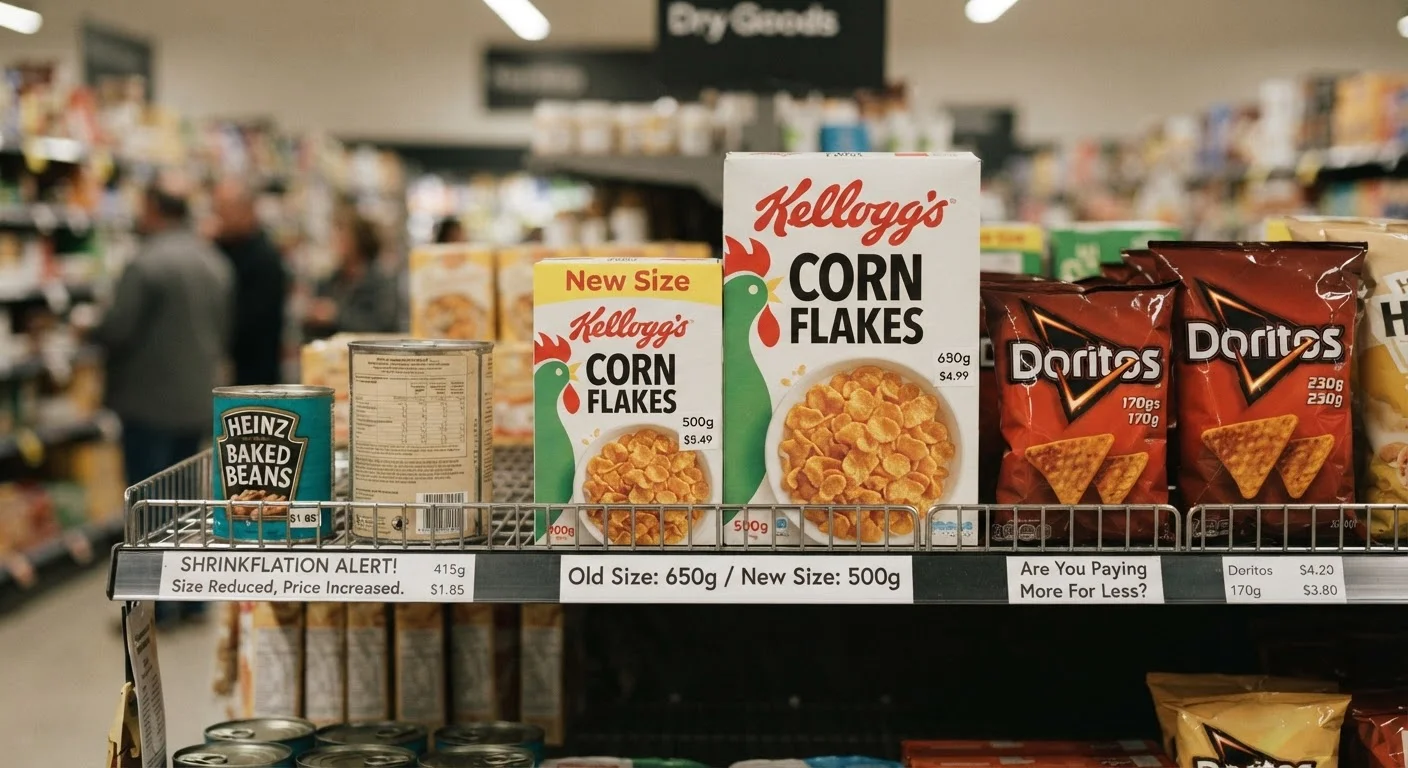
- Check for shrinkflation before reordering. If a product you regularly buy seems to run out faster than it used to, check the net weight against your previous purchase. The price may be the same; the amount may not be.
- Understand markdown cadence before waiting for a better price. Some categories - apparel, seasonal home goods - follow predictable clearance schedules. Others, like electronics, rarely get meaningfully cheaper by waiting past an initial launch window.
- Apply cost-per-use thinking to big purchases. A higher upfront price on a well-made item often results in a lower cost per use over time. See how price-per-use reframes affordability for a full breakdown of this method.
For a broader look at shopping pitfalls these terms can help you avoid, explore the Avoiding Buyer Pitfalls hub.