Key Takeaways
- Sticker price tells you what something costs to buy - price per use tells you what it costs to own.
- Items used frequently reward higher upfront investment; rarely used items rarely do.
- Estimating use frequency honestly is the most important step in the calculation.
- Price per use works best for tangible goods with a predictable lifespan and usage pattern.
- The method helps identify when paying more makes sense and when it doesn't.
Price Per Use
Price per use is a simple calculation that divides what you paid for an item by the number of times you actually use it. The result tells you the true cost of each use, which is a far more meaningful measure of value than the sticker price alone. A $60 item used 300 times costs just $0.20 per use - often less than a $5 item used only twice.
In consumer economics, this concept relates to the broader idea of total cost of ownership (TCO), which accounts for all costs associated with a purchase over its full useful life, not just the initial outlay.
What Price Per Use Actually Measures
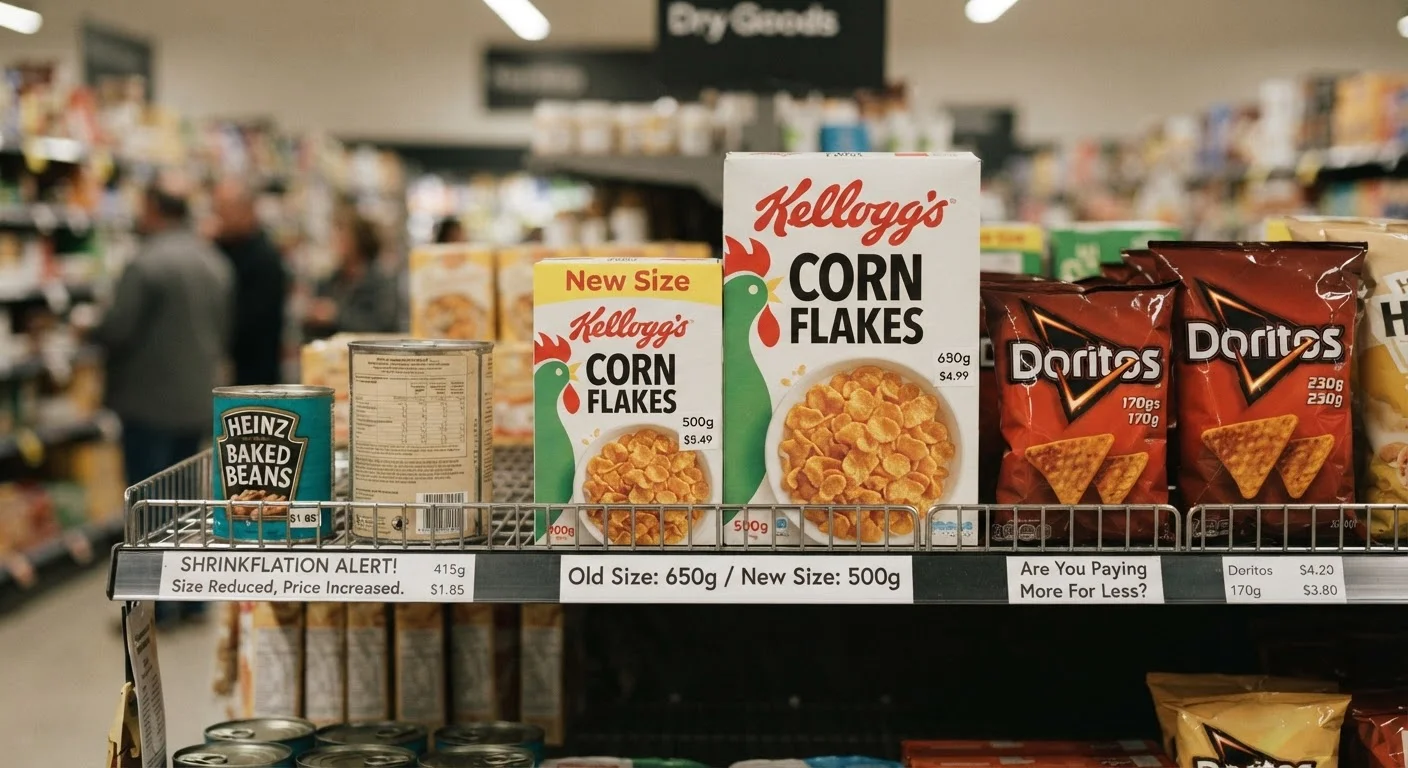
When most people evaluate a purchase, they look at the price tag and compare it to their budget. That's a reasonable starting point - but it only tells part of the story. The number on the shelf reflects what you'll spend to acquire something, not what it will actually cost you to own and use it over time.
Price per use fills that gap. The formula is straightforward: divide what you paid by the number of times you use the item. The result is a cost-per-occasion figure that lets you compare very different purchases on a common scale.
A $150 cast-iron skillet used four nights a week for five years clocks in at roughly $0.14 per use. A $20 pan used a dozen times before warping runs closer to $1.67 per use - more than ten times the cost per occasion. The sticker price told a misleading story; price per use corrects it.
This connects directly to the broader concept of total cost of ownership - something our explainer on why cheap options can cost more long-term covers in depth.
$0.14
Estimated cost per use of a quality skillet
Based on a $150 item used four times weekly over five years - illustrating how high-frequency use dramatically lowers per-use cost.
10x+
Higher cost per use of a low-quality alternative
A $20 pan used only 12 times before needing replacement costs over $1.67 per use - more than ten times the cost of the durable option.
2x
Typical usage overestimate by consumers
Consumer behavior research consistently finds that people overestimate how often they'll use infrequently needed purchases, skewing value projections.
How to Apply the Calculation Before You Buy
The math is simple. The harder part is making an honest estimate of how often you'll use something. Here's a practical approach:
- Identify the purchase price. Use the actual amount you'll pay, not the original retail price.
- Estimate realistic usage frequency. Think weekly, not aspirationally. How often do you actually use similar items you already own?
- Project a lifespan. Based on materials, construction, and your usage pattern, how long do you expect the item to last?
- Multiply frequency by lifespan to get total uses. Then divide the price by that number.
The result won't be perfect - it's an estimate. But the exercise itself is valuable. It forces you to confront whether a purchase fits your actual life rather than your idealized version of it.
Use Past Behavior, Not Intentions
Before estimating how often you'll use a new item, look at how often you actually use the closest thing you already own. Your real habits are a far better predictor than your intentions. If you rarely use the yoga mat you already have, that's data worth taking seriously before buying a premium replacement.
For items you're genuinely unsure about, it helps to look at similar things you already own as a reference point. If your current gym bag gets used twice a week and you've had it three years, you have a real data point to calibrate against.
Worth noting: this method pairs well with thinking about when durability actually matters versus when disposable is fine - not every purchase needs to last a decade.
When Price Per Use Works - and When It Doesn't
Price per use is most reliable for durable goods with consistent, predictable usage: footwear, bags, kitchen equipment, tools, outerwear, and electronics you use daily. These categories have enough repetition for the math to be meaningful.
It's less useful for:
- One-time or infrequent purchases - a wedding outfit or a specialized tool used once has almost no useful comparison baseline.
- Consumables - for food, cleaning supplies, or personal care products, cost per unit or serving is a more relevant frame. See our breakdown of unit pricing for that approach.
- Items with unpredictable lifespans - if quality is genuinely unknowable upfront, the lifespan estimate becomes too speculative to be useful.
It's also worth separating price per use from sticker-price assumptions. A higher price doesn't automatically mean better quality or more uses - our article on price as a proxy for quality examines what the evidence actually shows.
The Honest Limitation: You Have to Know Yourself
No calculation can compensate for wishful thinking. The single biggest source of error in price-per-use estimates isn't the math - it's overestimating how often you'll actually use something.
A home espresso machine used daily for three years delivers real value. The same machine used enthusiastically for two weeks and then relegated to a cabinet does not. The calculation changes dramatically depending on which version of yourself is doing the buying.
This is why understanding common buyer pitfalls matters as much as learning valuation methods. Self-awareness about your actual habits - not your aspirational ones - is the input that makes price per use genuinely useful rather than just a rationalization for spending more.
Used honestly, though, it's one of the more reliable lenses available for cutting through marketing noise and asking a simple, grounding question: What will this actually cost me, each time I use it?
That question, asked consistently, tends to lead to fewer regrets and a more useful home.
Price Per Use Is a Framework, Not a Formula
The calculation gives you a useful number, but it doesn't make the decision for you. Factors like product quality, environmental impact, storage constraints, and personal enjoyment all legitimately influence value. Think of price per use as one lens among several - particularly useful for cutting through the distraction of a low sticker price or a persuasive sale frame. For more on how sale framing can mislead, see our piece on reference pricing tactics.