Key Takeaways
- Matching product grade to actual usage frequency is the core of smart purchasing decisions.
- Durable products carry higher upfront cost but typically lower cost per use over time.
- Disposable products are genuinely efficient when use cases are truly temporary or infrequent.
- Total cost of ownership - not sticker price - should drive most buying decisions.
- Honest self-assessment of your habits prevents both overspending and false economy.
Option A
Durable-Grade Products
The long-game investment built for repeated use.
Best for: Items you use frequently, rely on heavily, or carry significant replacement cost if they fail.
Option B
Disposable-Grade Products
The convenient, low-commitment option for temporary needs.
Best for: Short-term, infrequent, or situational needs where longevity adds no practical value.
If you use an item daily or near-daily
Durable-Grade Products
High frequency amplifies any cost-per-use advantage. A well-built item absorbs daily wear and avoids the compounding cost of repeated replacement.
If the need is genuinely one-time or seasonal
Disposable-Grade Products
Spending more for longevity you'll never use wastes money. A disposable or budget-grade option serves the purpose without unnecessary investment.
If storage space or portability is a real constraint
Disposable-Grade Products
A durable item you can't store or transport conveniently often ends up unused. Practicality of access is part of real-world value.
If failure carries safety or health consequences
Durable-Grade Products
For items where degraded performance creates risk - tools, safety gear, certain appliances - durability and reliability are non-negotiable criteria.
If your needs in this category are likely to change soon
Disposable-Grade Products
Buying durable locks you into a current use case. If your lifestyle, household, or preferences are in flux, lower commitment makes practical sense.
The False Binary of Cheap vs. Quality
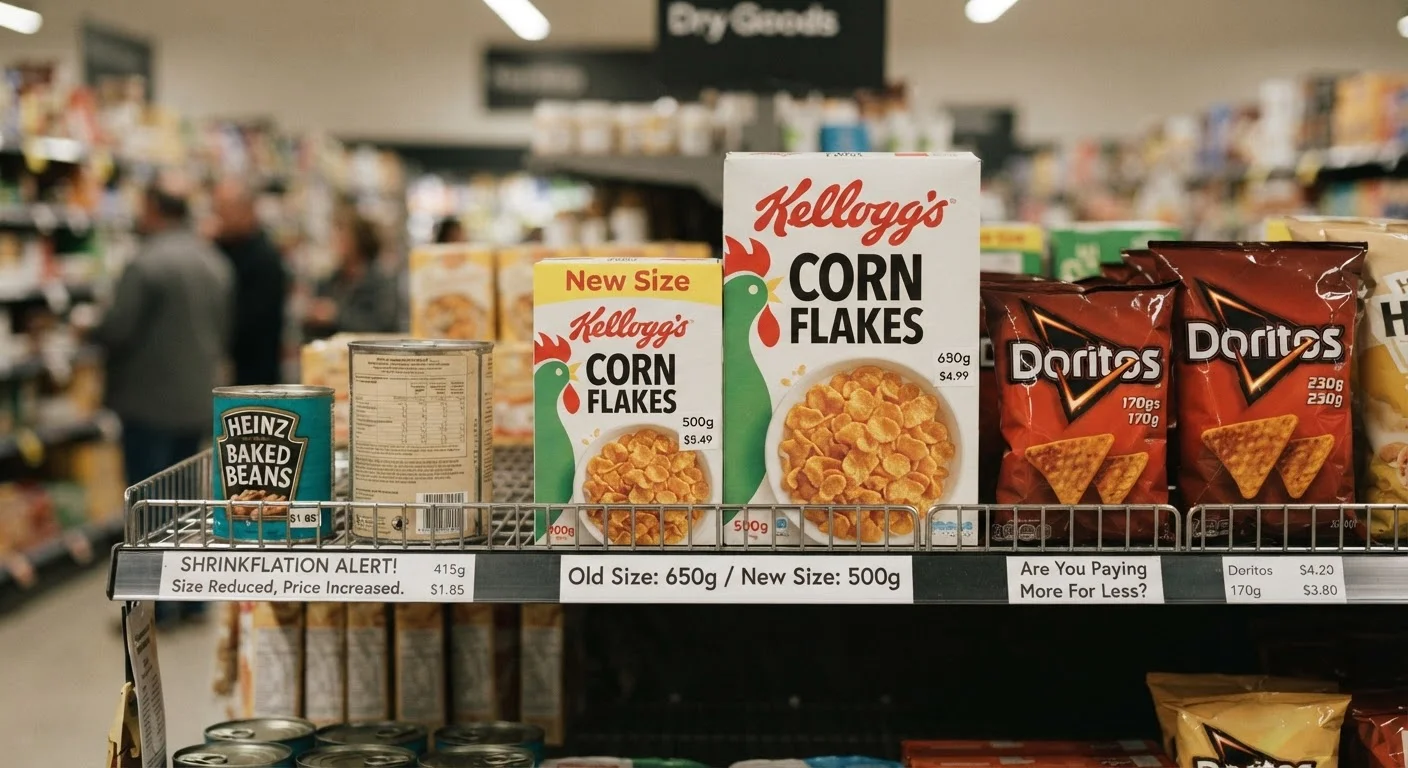
Most shoppers approach purchasing as a contest between frugality and quality - as if every decision is either a splurge or a compromise. That framing leads to two equally costly mistakes: overpaying for durability you'll never use, and repeatedly buying cheap replacements for something you needed to last.
The more useful question isn't how much should I spend? - it's how much use will this actually see? A disposable razor used once a week is a different category of object than the one used every morning. The same logic applies across categories: travel umbrellas, kitchen knives, work boots, phone chargers. Matching product grade to genuine usage pattern is what separates smart spending from guesswork.
Price-per-use thinking reframes this clearly: a $40 item used 300 times costs roughly 13 cents per use, while a $10 item replaced four times costs $40 for far fewer uses - and more hassle along the way.
When Durable-Grade Makes Financial Sense
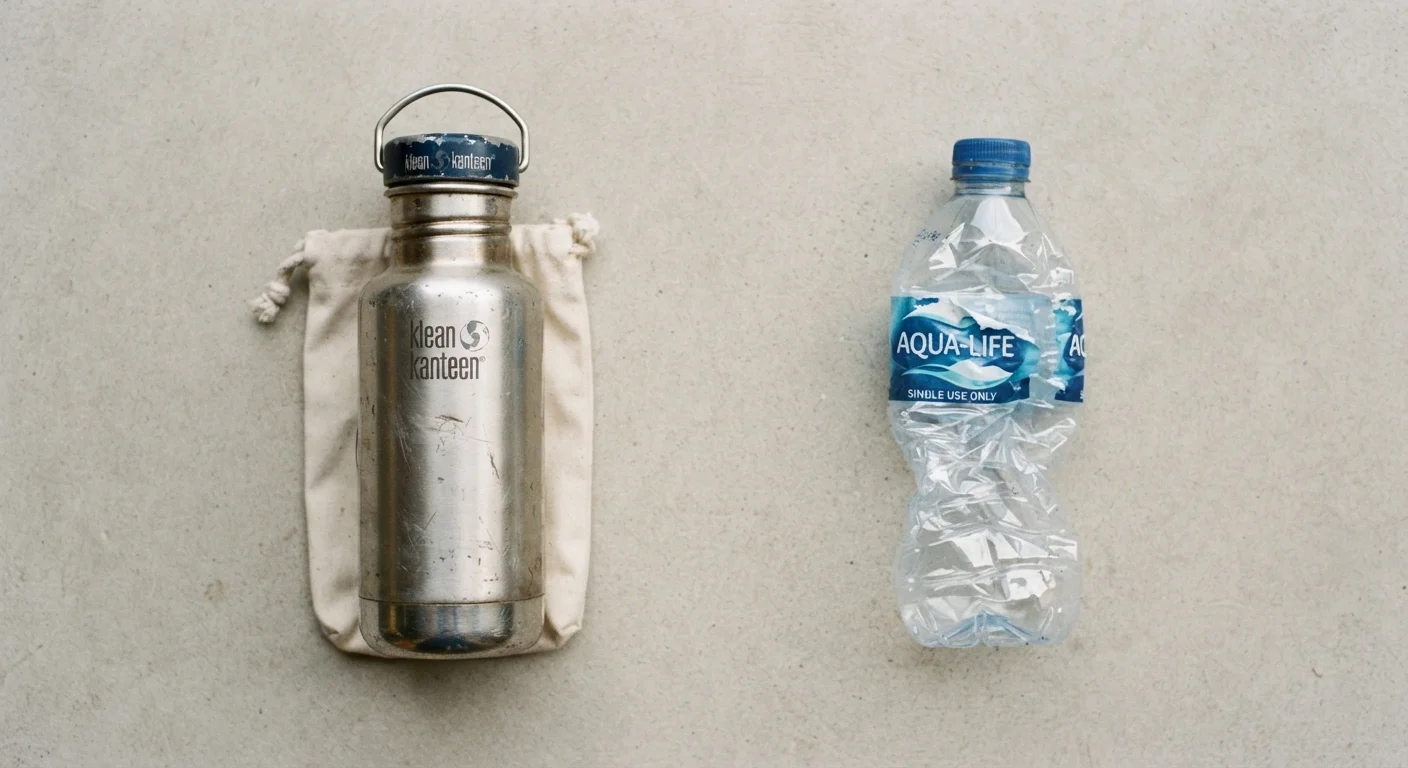
Durable products earn their higher price through materials, construction tolerances, and design intent. They're built to absorb repeated stress - whether that's mechanical load, thermal cycling, or simply daily handling. The cost advantage emerges over time, not at purchase.
The clearest case for durable-grade is frequency. If you reach for something multiple times per week, every dollar spent on longevity is a dollar not spent on replacement. Categories where this pattern holds consistently include everyday footwear, cookware, hand tools, and primary electronics. Total cost of ownership - factoring in replacement cycles, disposal, and downtime - often reveals that the durable option was the affordable one all along.
Durability also matters when failure has consequences beyond inconvenience. A cheaper power strip that degrades faster isn't just a replacement cost - it's a potential safety issue. For items in this category, construction quality is a practical requirement, not a luxury preference.
| Criterion | Durable-Grade Products | Disposable-Grade Products |
|---|---|---|
| Upfront cost | Higher | Lower |
| Cost per use over time | Lower with frequent use | Lower with infrequent use |
| Best use frequency | Daily to weekly | Occasional to one-time |
| Environmental footprint | Lower (fewer replacements) | Higher (more waste cycles) |
| Storage commitment | Higher (built to keep) | Lower (easy to discard) |
| Repairability | Often serviceable | Rarely worth repairing |
| Risk if it fails early | Higher financial exposure | Lower (cheap to replace) |
When Disposable-Grade Is the Rational Choice
Disposable or budget-grade products get unfairly maligned. For genuinely temporary or infrequent needs, they're often the smarter financial decision - not a compromise. Buying a heavy-duty version of something you'll use twice a year means paying for lifespan you'll never access.
Consider items tied to a specific life phase: a crib, a camping tent for one planned trip, specialty tools for a single home project. In these cases, longevity is wasted value. The same logic applies to fashion-adjacent purchases where personal style or trends will make the item obsolete before the materials wear out.
The key is honesty about your actual habits. Many shoppers rationalize durable purchases by imagining an idealized version of their routine - the hiking gear they'll use constantly, the bread maker they'll rely on weekly. A disciplined pre-purchase habit involves stress-testing those assumptions before committing to a higher price point.
The Lifestyle Change Problem
One of the most common sources of buyer regret is purchasing durable items based on an anticipated lifestyle shift that doesn't happen - or happens differently than expected. If you're not already doing something regularly, a premium product rarely changes that pattern. It's worth waiting to see if the habit sticks before committing to a durable investment.
Practical Signals for Evaluating Product Grade
You don't need expert knowledge to assess product grade - you need to know what to look for. Construction details like seam quality, material weight, joinery type, and hardware finish are visible indicators that tend to hold up across categories. Quality signals that transcend brand or price tag include things like solid vs. hollow construction, metal vs. plastic hardware at stress points, and reinforced edges on flexible materials.
Warranty terms are another signal worth reading. A manufacturer confident in their product's lifespan offers coverage that reflects it. Short or heavily conditioned warranties on high-ticket items are worth noting. Questions about replacement parts availability and return windows often reveal more about true product longevity than the marketing copy does.
3-5×
Typical lifespan advantage of durable-grade goods
Consumer product testing generally finds well-constructed goods last three to five times longer than budget alternatives in high-use categories like footwear and cookware.
~30%
Purchases used fewer than 5 times before discard
Behavioral research on household consumption suggests a significant portion of consumer goods - particularly in fashion and specialty tools - are used far fewer times than buyers anticipate at purchase.
Finally, consider the ecosystem around the product. Items with available replacement parts, repair guides, or serviceable components have a longer practical lifespan regardless of initial build quality. A product you can maintain is inherently more durable than one you can't.