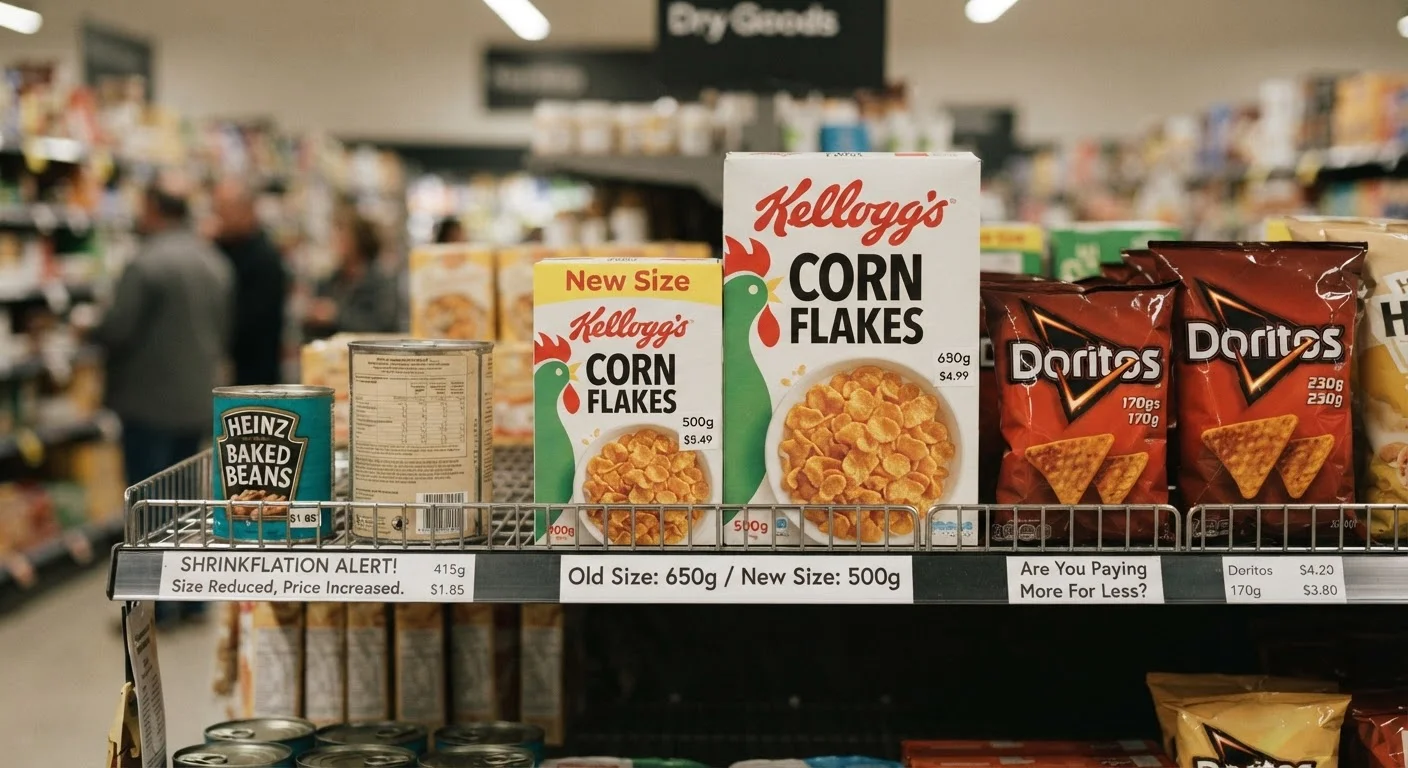
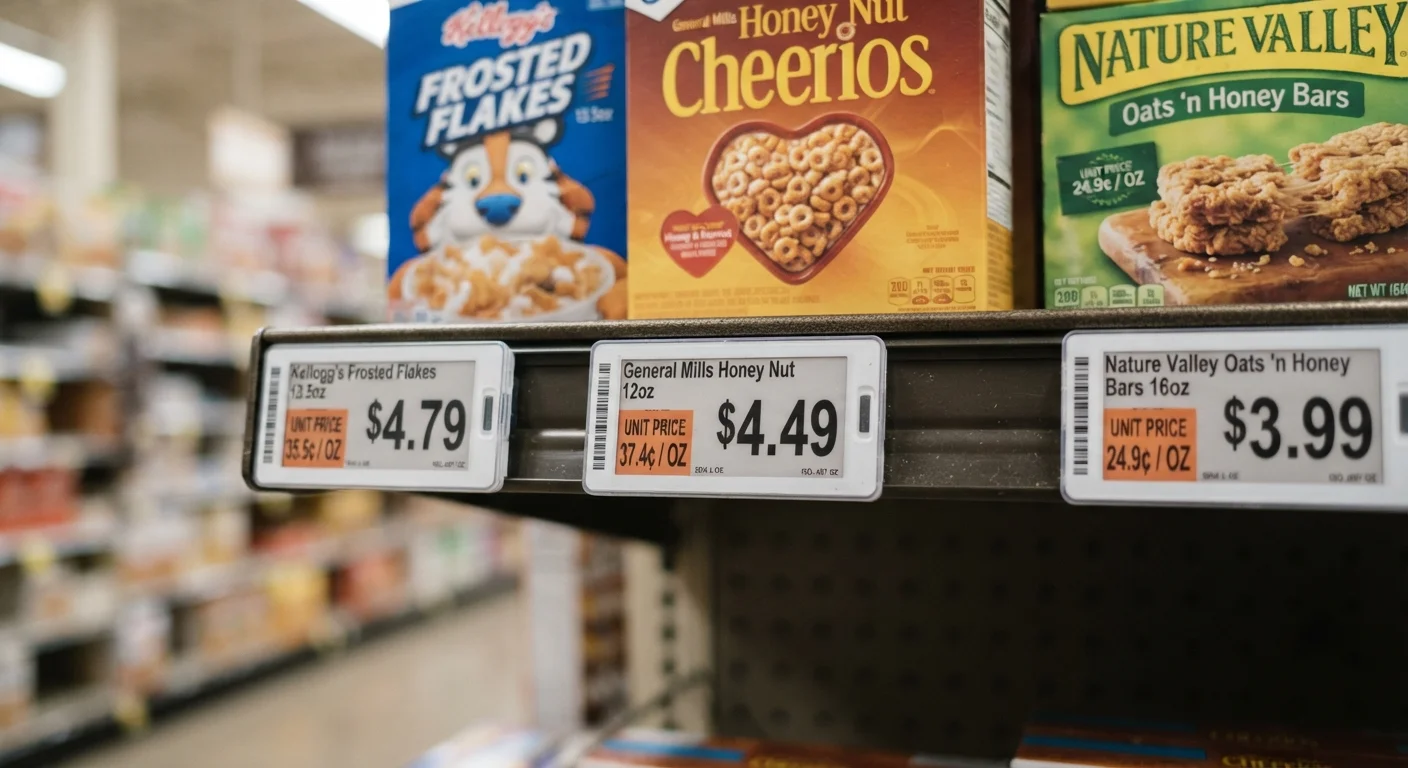
Key Takeaways
- Unit price strips away packaging size to reveal the true cost per ounce, pound, or count.
- Larger packages don't always have a lower unit price - always check before assuming.
- Sale items aren't always the better value if a non-sale product has a lower unit price.
- Comparing unit prices takes seconds and can consistently reduce your grocery bill over time.
- Unit price is most useful when comparing similar-quality products of the same type.
Unit Price
Unit price is the cost of a single standard unit of a product - such as one ounce, one pound, one count, or one fluid ounce. It lets you compare products of different sizes or brands on a level playing field, regardless of how they're packaged or promoted. You'll typically find it printed in small text on the shelf label, beneath the total price.
Retailers in many U.S. states are required by law to display unit pricing on shelf tags, though the specific unit used (weight, volume, or count) can vary by product category and store.
What Unit Price Actually Tells You
Every grocery store shelf tag has two numbers: the total price you pay at checkout, and the unit price - which breaks that cost down to a standard measurable amount. The unit price might read $0.18/oz or $0.04/count. It's the number that makes comparison possible.
Without it, you're comparing apples to oranges - literally sometimes. A 12-oz jar and a 32-oz jar of the same pasta sauce may have very different sticker prices, but only the unit price tells you which one costs less per ounce of sauce. That's the only figure that actually matters when you're evaluating value.
Unit price is part of a broader vocabulary of value that cost-conscious shoppers use. For a fuller glossary of retail pricing terms, see The Vocabulary of Value - it covers everything from loss leaders to shrinkflation.
~30%
Potential grocery savings from consistent unit-price comparison
Consumer research has suggested that shoppers who routinely compare unit prices can reduce grocery spending by meaningful margins, though results vary widely by shopping habits and store.
2 in 3
Shoppers who report rarely checking unit price labels
Surveys on grocery shopping behavior consistently find that the majority of consumers rely on total price or brand familiarity rather than unit price when selecting products.
The Most Common Mistakes Shoppers Make
The biggest assumption shoppers make is that bigger always means cheaper per unit. It usually does - but not always. Retailers occasionally price the mid-size package at a lower unit price than the large one, especially when demand for the larger size is lower and they need to move inventory. Promotional pricing further complicates this: a "sale" item may still carry a higher unit price than a non-sale competitor sitting right next to it.
A second mistake is ignoring unit price when a sale sign is present. Bright promotional signage triggers a mental shortcut - this must be a deal. But sale pricing is a relative comparison to the item's own previous price, not to other products. Retailers are well aware that visual cues influence perceived value. See how these tactics work in detail: Anchoring, Decoys, and Pricing Tricks.
Quick Check Before You Grab the Bigger Size
Before defaulting to the largest package, scan the shelf tag for the unit price rather than the total price. If the store uses different units for similar products - ounces versus counts, for example - pause and make sure you're comparing the same measurement. A ten-second check is all it takes.
When Unit Price Has Limits
Unit price is a powerful tool, but it has a scope. It measures cost efficiency - not quality, freshness, concentration, or fit for purpose. A cheaper-per-ounce cleaning spray that requires twice as much product per use isn't actually cheaper. A lower-priced-per-count vitamin that contains less of the active ingredient isn't a better nutritional value.
Bulk quantities are where this tension is most visible. A warehouse-size package may have an excellent unit price, but if you can't use it before it expires or spoils, you're not saving - you're wasting. Buying in Bulk: When It Saves and When It Doesn't walks through exactly when bulk unit pricing works in your favor and when it backfires.
Unit price also works best within a category, not across categories. Comparing the unit price of a store-brand cereal to a name-brand cereal is useful. Comparing a $0.10/oz snack to a $0.40/oz snack of an entirely different type tells you less than you might think. For durable goods and non-consumables, a related concept - price per use - often gives a clearer picture. Price Per Use: A Smarter Evaluation Method explains how that works.
How to Use Unit Price in Practice
You don't need a calculator app or special skills. Here's the straightforward approach:
- Find the unit price on the shelf tag. It's usually in smaller print, often with a colored background.
- Make sure you're comparing the same unit. Both products should be priced per ounce, or both per count - not one of each.
- Factor in your actual usage. If the lower unit-price option is a size you won't finish, it's not a deal.
- Apply any discounts manually. Shelf unit prices don't reflect coupons or loyalty card pricing - adjust accordingly.
Over time, this habit compounds. Consistently choosing better unit-price value across a weekly shop can meaningfully reduce grocery spending without changing what you eat or where you shop. It's one of the lowest-effort, highest-return habits in everyday consumer decision-making.
And if you want to understand why low sticker prices sometimes mislead even careful shoppers, Why the Cheapest Option Often Costs the Most is worth a read.