

| OBD-II Standard Adopted | 1996 (all U.S. cars) (U.S. Environmental Protection Agency mandate) |
| Most Common Warning Light | Check Engine Light (Frequently cited in automotive service industry data) |
| Red Light Response | Stop driving as soon as safely possible |
| Amber Light Response | Schedule a mechanic visit within 1-2 days |
| Free Fault Code Scans | Available at many auto parts retailers |
Why Warning Lights Exist - and Why You Shouldn't Ignore Them
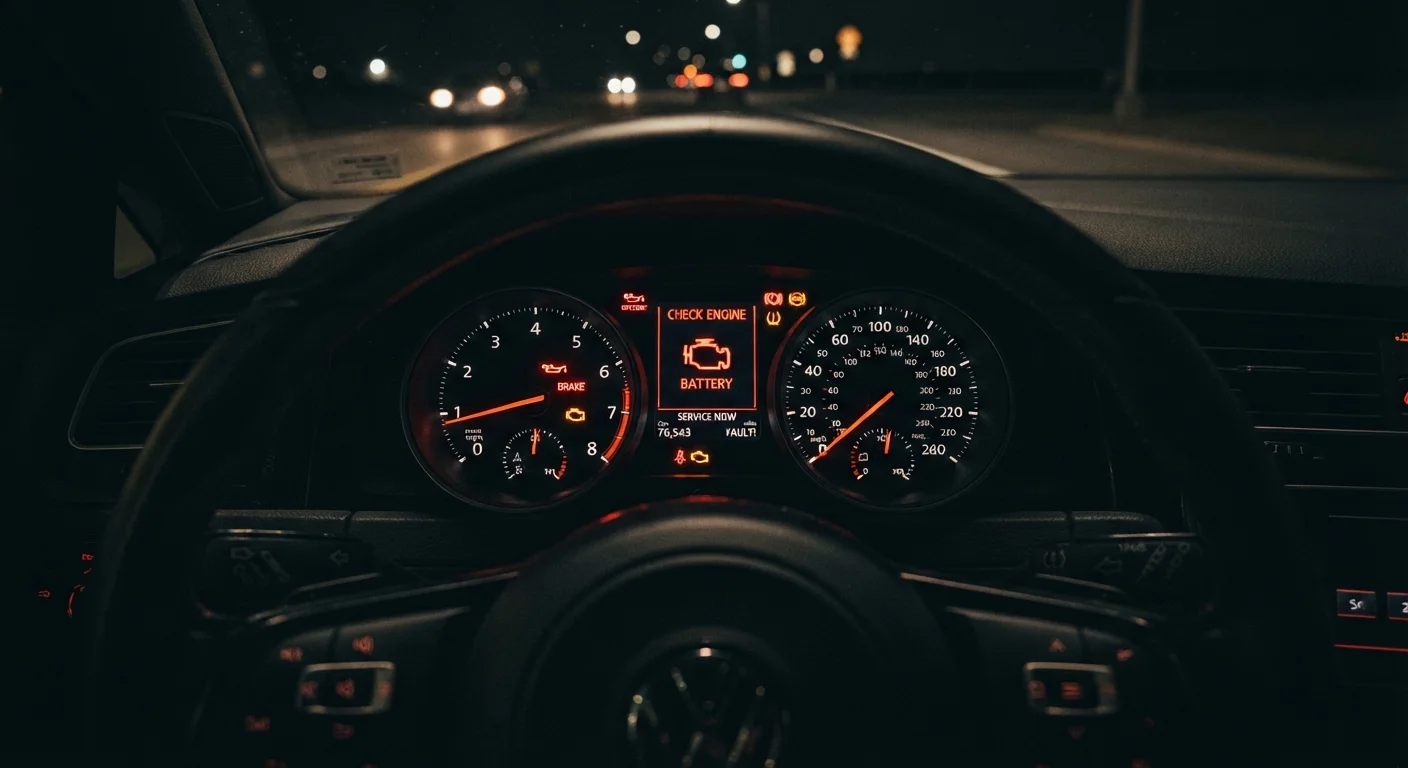
Modern vehicles monitor dozens of systems simultaneously, from engine temperature to tire pressure to exhaust emissions. When something falls outside normal operating range, the car's onboard diagnostic system triggers a warning light on the instrument cluster. These lights aren't suggestions - they're data points designed to give you a head start before a minor issue becomes a major repair bill.
The problem is that most drivers either panic immediately or ignore the light entirely, hoping it goes away on its own. Neither response is ideal. Understanding what each symbol actually means helps you make a smarter, calmer decision: pull over now, schedule a shop visit soon, or simply add fluid and move on.
For a broader foundation on keeping your vehicle healthy, see Car Maintenance for People Who Know Nothing About Cars.
| OBD-II Standard Adopted | 1996 (all U.S. cars) (U.S. Environmental Protection Agency mandate) |
| Most Common Warning Light | Check Engine Light (Frequently cited in automotive service industry data) |
| Red Light Response | Stop driving as soon as safely possible |
| Amber Light Response | Schedule a mechanic visit within 1-2 days |
| Free Fault Code Scans | Available at many auto parts retailers |
The Warning Lights You'll See Most Often
Not all dashboard lights carry the same urgency. Here's a practical breakdown of the most common symbols and how seriously to take each one.
Check Engine Light (Amber)
This is the most misunderstood light on the dashboard. It can signal anything from a loose gas cap to a misfiring engine. If it's solid amber and the car drives normally, you generally have time to get a diagnostic scan within a day or two. If it's flashing, that indicates an active misfire that can damage your catalytic converter - reduce speed and get to a mechanic promptly. Many auto parts retailers offer free OBD-II diagnostic scans that give you the specific fault code before you commit to a repair shop.
Oil Pressure Warning (Red)
A red oil can symbol means your engine isn't receiving adequate oil pressure. This is a stop-immediately situation. Running an engine with low oil pressure can cause permanent, expensive damage within minutes. Pull over safely, shut the engine off, and check the oil level with the dipstick. If oil is full, do not restart the car - call for roadside assistance.
Temperature Warning (Red)
The thermometer symbol indicates the engine is overheating. Like the oil pressure light, this warrants immediate action: turn off the AC, turn on the heater (it draws heat away from the engine), and pull over as soon as safely possible. Do not open the radiator cap while the engine is hot.
Battery / Charging System (Amber or Red)
This light doesn't necessarily mean your battery is dead - it often points to a failing alternator that isn't recharging the battery while you drive. Once this light appears, your car is running on battery reserves alone. Limit electrical use (AC, heated seats) and get to a shop quickly. For related symptoms to watch for, see Signs Your Car's Battery Is on Its Way Out.
Tire Pressure (TPMS) Warning (Amber)
The horseshoe-with-exclamation symbol means one or more tires is significantly under- or over-inflated. Check all four tires with a gauge; don't rely on visual inspection alone. Proper inflation affects fuel economy, tire wear, and handling. Consult your door jamb sticker - not the tire sidewall - for the correct pressure. Understanding Tire Load Index and Speed Rating Numbers explains what else those sidewall numbers mean.
OBD-II
On-Board Diagnostics, second generation - a standardized system required on all U.S. passenger vehicles since 1996 that monitors engine and emissions performance and stores diagnostic fault codes.
Fault Code (DTC)
A Diagnostic Trouble Code stored by the vehicle's computer when a sensor reading falls outside acceptable limits. A scan tool reads these codes to help pinpoint the problem system.
TPMS
Tire Pressure Monitoring System - a sensor network that alerts the driver when tire pressure drops significantly below the recommended level.
Catalytic Converter
An exhaust component that converts harmful combustion byproducts into less harmful gases. Engine misfires can overheat and permanently damage this expensive part.
Alternator
A generator driven by the engine that recharges the battery and powers electrical systems while the car is running. A failing alternator causes the battery warning light to illuminate.
Amber vs. Red: The Urgency Color Code
As a general rule, red lights demand immediate attention - stop driving as soon as it's safe. Amber or yellow lights usually indicate a system that needs attention soon but isn't an emergency in the next five minutes. Blue and green lights are informational (high beams on, turn signal active) and require no action beyond awareness.
That said, color alone doesn't tell the whole story. A flashing amber check engine light is more urgent than a solid red door-ajar indicator. Always pair color with symbol recognition.
It's also worth noting that some common beliefs about car maintenance can lead drivers astray. Car Maintenance Myths That Could Actually Hurt Your Vehicle addresses several misunderstandings that can affect how you respond to warning signals.
This article is for general informational purposes only. Warning light behavior can vary by make, model, and model year. Always consult your owner's manual and a qualified mechanic for diagnosis and repair decisions specific to your vehicle.