

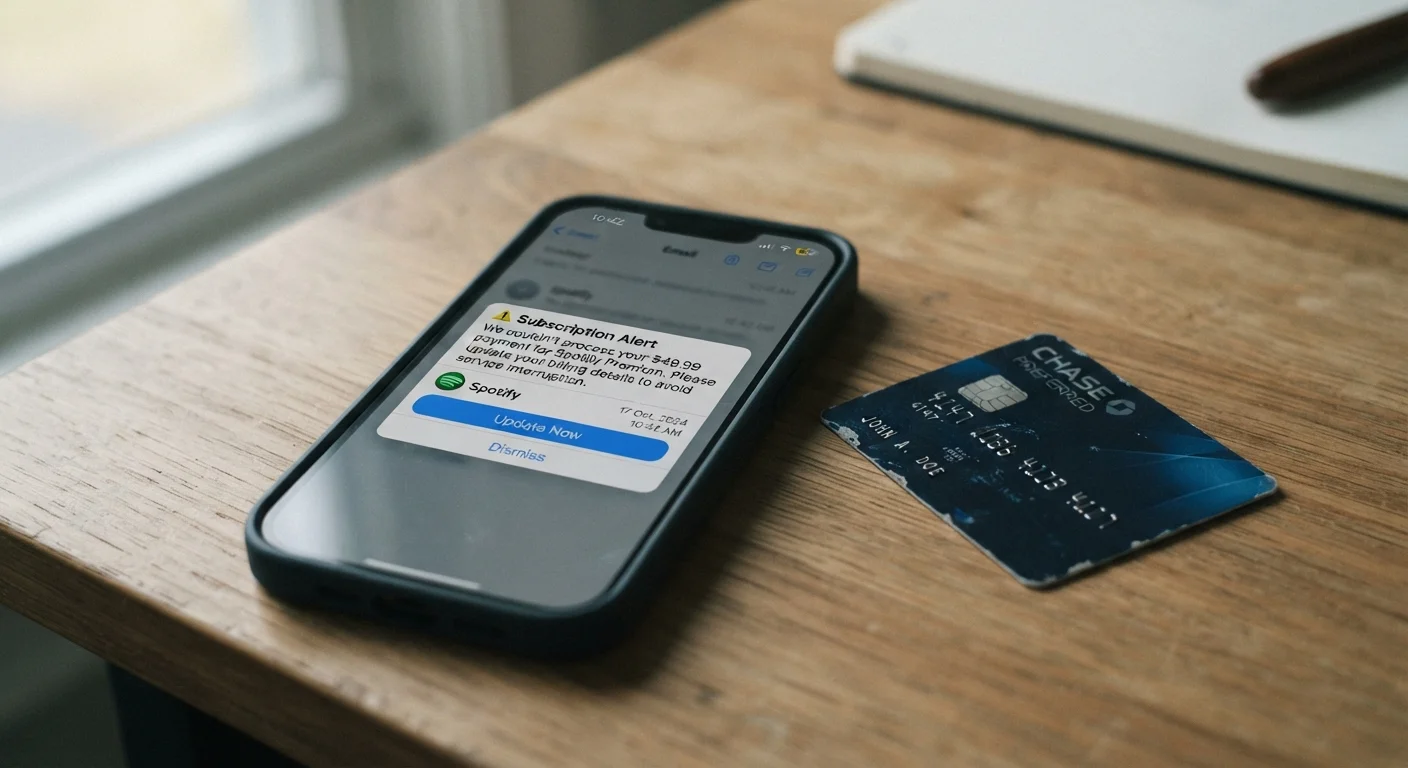
Key Takeaways
- Free trials that require a credit card can convert to paid subscriptions automatically when the trial ends.
- Cancellation deadlines are often buried in fine print and can be shorter than the trial period itself.
- Negative option billing - charging unless you actively cancel - is legal but heavily regulated in the U.S.
- Setting a calendar reminder the moment you sign up is one of the most effective protective steps.
- Reviewing your bank or card statements monthly can catch unwanted recurring charges early.
- The FTC and state attorneys general have taken action against companies that obscure cancellation processes.
Subscription Trap
A subscription trap is a marketing practice where a free trial or low-cost introductory offer automatically converts into a paid, recurring subscription - often without a clear reminder or easy cancellation path. The consumer provides payment details upfront and, if they don't cancel before a deadline, gets charged regularly. These arrangements are sometimes structured to make cancellation deliberately difficult.
Regulators such as the FTC refer to these arrangements under the umbrella of 'negative option marketing,' where a consumer's inaction (not cancelling) is treated as consent to be charged.
How a Free Trial Becomes a Monthly Bill
The structure of most subscription traps follows a predictable pattern. A company offers a product or service free for a limited period - commonly 7, 14, or 30 days. To access the trial, you must enter payment details. Deep in the terms, often behind a small hyperlink or a pre-checked box, is the critical clause: if you don't cancel before the trial ends, you'll be charged automatically at the full subscription rate.
This model is called negative option billing - your inaction equals consent. The arrangement is legal when terms are properly disclosed, but the quality of that disclosure varies enormously. Some companies send a clear reminder email before the trial expires; others rely on the fact that most people won't remember to cancel in time.
What makes this genuinely tricky is timing. A 14-day trial might have a cancellation deadline of day 13 at midnight - a detail that's easy to miss. And because recurring charges can be small enough to blend into a busy bank statement, months may pass before a consumer notices. For a broader look at how promotional framing obscures real costs, see how hidden costs inflate a product's true price.
42%
Consumers unaware of all active subscriptions
A C+R Research survey found that a significant share of consumers consistently underestimate the number of subscription services they are actively paying for.
$219/month
Average consumer subscription spend
Research by C+R Research estimated average monthly subscription spending at around $219, significantly higher than most consumers self-report when asked to estimate.
86%
Free trials that require a credit card
Industry analyses have consistently found that the large majority of free trial offers require payment details at sign-up, making auto-renewal the default outcome for users who don't actively cancel.
The Warning Signs to Look For Before You Sign Up
Not every free trial is a trap, but certain signals consistently appear in problematic offers. Recognizing them before entering payment information is the most effective protection.
- Required credit card at sign-up: A genuinely free product rarely needs a payment method. When a card is required before any value is delivered, the trial is designed with auto-renewal in mind.
- Vague cancellation language: Phrases like "cancel anytime" sound reassuring but say nothing about the process. Check whether cancellation requires a phone call, a specific web form, or a written request - hurdles designed to create friction.
- Short or mismatched deadlines: The cancellation deadline may be shorter than the trial itself. A 30-day trial with a cancel-by-day-25 clause gives less time than it appears.
- Pre-checked upgrade boxes: Some sign-up flows pre-select a paid tier. This is part of a broader category of interface manipulation covered in our look at dark patterns at checkout.
- Ambiguous pricing disclosures: If the post-trial price is not prominently displayed next to the trial offer, that omission is deliberate.
Set Your Cancel Reminder Right Now
If you're considering a free trial, open your calendar app before you finish signing up and set a reminder for two days before the trial deadline - not the last day. This simple step has a higher success rate than relying on memory or hoping for a company reminder. Treat it as a required part of the sign-up process, not an afterthought.
Practical Steps to Protect Yourself
Awareness of the tactic is useful; having a system in place is better. A few consistent habits significantly reduce exposure.
- Set a cancellation reminder immediately. The moment you enter payment details for a trial, put a calendar alert for two days before the stated deadline - not the last day.
- Review your statements monthly. A line-by-line review of bank and card statements once a month is one of the most reliable ways to catch charges you didn't intend to authorize.
- Screenshot or save the terms. Before completing sign-up, take a screenshot of the pricing page and the cancellation policy. This creates a record if you need to dispute a charge later.
- Use a virtual card number where available. Some card issuers allow temporary or merchant-specific card numbers that can limit exposure if a renewal charge is attempted unexpectedly.
- Know your dispute rights. Under the Fair Credit Billing Act, consumers can dispute unauthorized or misrepresented charges with their card issuer. Acting promptly - typically within 60 days of the statement date - strengthens your position.
The same careful reading that applies to subscription offers applies equally to instalment purchase arrangements. Our article on why low monthly payments can obscure true costs explores how recurring payment framing works across different categories.
The Regulatory Landscape and Your Rights
U.S. regulators have increasingly focused on subscription billing practices. The Federal Trade Commission's Negative Option Rule - updated in recent years - requires sellers to clearly disclose subscription terms before obtaining billing information, obtain informed consent, and provide a simple cancellation mechanism. Several states, including California, have additional automatic renewal laws that impose stricter disclosure and consent requirements.
When companies violate these rules, enforcement actions and consumer refunds are possible - but individual consumers shouldn't wait for regulatory action to protect themselves. Filing a complaint with the FTC at ReportFraud.ftc.gov and with your state attorney general creates a paper trail that contributes to enforcement patterns over time.
For a fuller picture of how to evaluate a purchase before committing, the product research tips hub and the smart budget buying hub offer frameworks that apply well beyond subscriptions. And if you're reviewing any offer with recurring costs, the guidance in reading a return policy before it bites you is a useful companion read.
State Laws May Give You Extra Protection
California's Automatic Renewal Law, for example, requires companies to obtain affirmative consent before charging consumers for an automatically renewing subscription and to provide a clear cancellation mechanism. Several other states have enacted similar statutes. If you're unsure of your rights, your state attorney general's consumer protection office is a free resource.
This article is for general informational purposes only and does not constitute legal or financial advice. Consumers with specific billing disputes should consult their card issuer, a consumer protection attorney, or their state attorney general's office.