

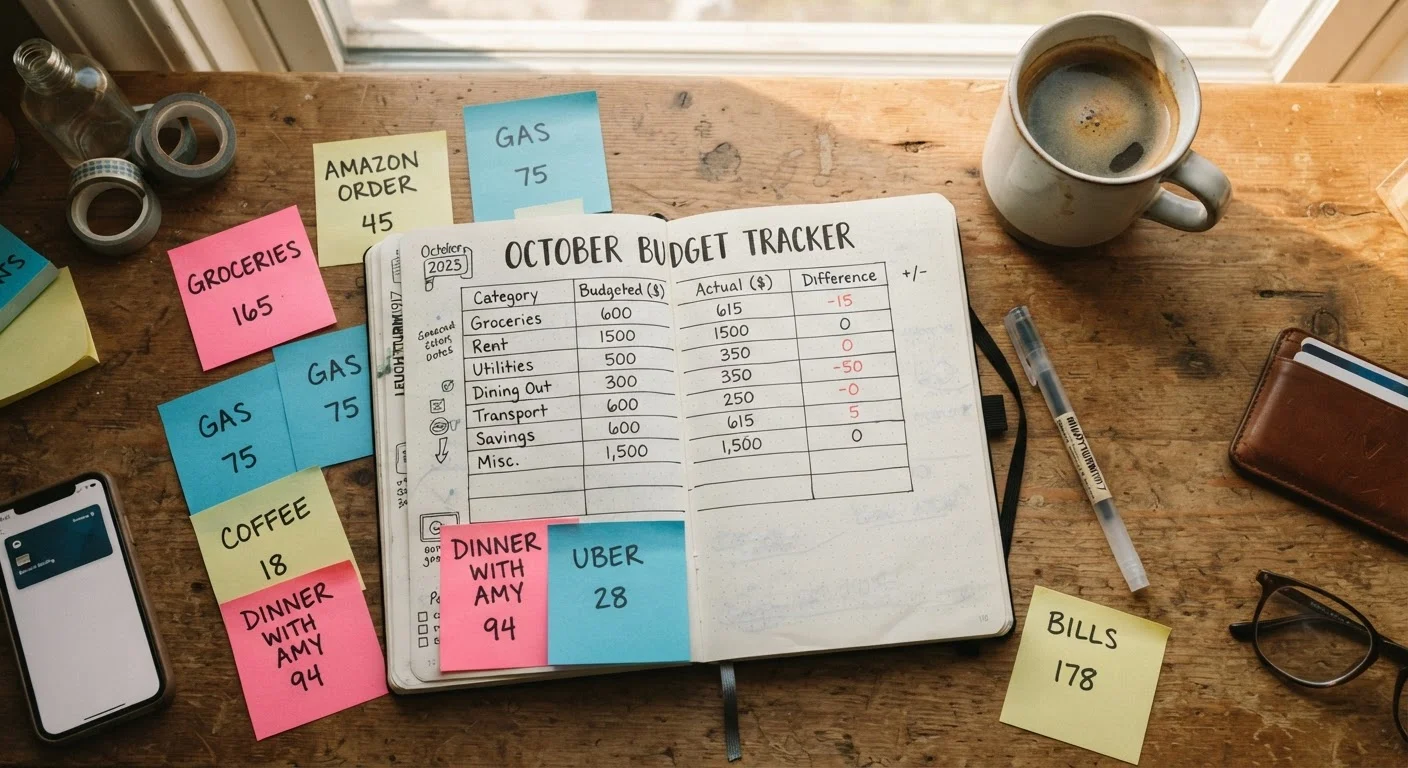
Key Takeaways
- Standard budget templates routinely omit irregular but predictable expenses that occur a few times a year.
- Overlooked categories like pet care, vehicle maintenance, and annual subscriptions are major sources of budget surprises.
- Dividing annual or semi-annual costs by 12 and setting that amount aside monthly prevents shortfalls.
- Adding these categories upfront gives you a budget that reflects your real spending, not an idealized version of it.
- Consulting a financial adviser can help you prioritize which sinking funds make the most sense for your situation.
Why Templates Leave Money on the Table
Most free budget templates cover the obvious bases: rent or mortgage, utilities, groceries, transportation, and maybe a catch-all for entertainment. That setup looks tidy on paper, but it rarely survives contact with real life. Annual car registration fees, a vet visit, or a birthday gift can blow a carefully balanced monthly plan the moment they appear.
The technical term for these expenses is irregular expenses - costs that don't hit every month but are entirely predictable over the course of a year. If your budget doesn't account for them in advance, they're forced to compete with rent when they finally arrive. Budget breakdowns often trace back to this exact pattern - not overspending on lattes, but failing to plan for the costs you knew were coming.
The fix is straightforward: divide each irregular annual expense by 12 and set that amount aside each month in a dedicated category or savings bucket. The categories below are the ones most templates skip entirely - and where the gap between your plan and your reality tends to grow.
Vehicle Maintenance and Registration
Oil changes, tire rotations, new wiper blades, and the annual state registration fee are all predictable - yet almost no standard budget template includes a dedicated line for them. AAA has estimated that vehicle ownership costs several thousand dollars annually beyond fuel and insurance, and maintenance is a significant slice of that figure.
A practical approach: estimate your annual maintenance spend based on prior years, add your registration fee, and divide by 12. Park that amount in a vehicle maintenance category each month so the cost never comes as a surprise.
Vehicle maintenance and registration are predictable costs that belong in every budget, not just an emergency fund.
Medical and Dental Out-of-Pocket Costs
Even with health insurance, most Americans face co-pays, deductibles, and occasional prescriptions that don't fit neatly into a monthly line item. Dental cleanings twice a year, vision exams, and new glasses or contacts add up quickly. Review your EOB documents from the prior year to estimate your realistic out-of-pocket total, then set aside a monthly amount accordingly.
If your employer offers a HSA or FSA, those accounts can be a tax-advantaged place to hold this money - but the point is the same: plan for it monthly rather than reacting to it quarterly.
Reviewing last year's EOB documents gives you a realistic baseline for annual out-of-pocket medical costs.
Pet Care
Routine vet visits, vaccinations, flea and tick prevention, grooming, and food are ongoing costs for pet owners - but templates treat pets as an afterthought, if they include them at all. An unexpected illness or injury can mean a bill in the hundreds or thousands of dollars, which is why a pet care category (and possibly a small emergency reserve within it) matters.
Annual wellness visits alone can range from $50 to several hundred dollars depending on the animal, location, and what's due that year. Budget for the expected costs at minimum, and treat anything beyond that as a prompt to consider pet insurance if you haven't already.
A dedicated pet care category prevents vet bills from colliding with rent when they inevitably arrive.
Annual and Semi-Annual Subscriptions
Streaming services, software licenses, professional memberships, and warehouse club memberships are frequently billed annually. Because they don't appear on your monthly statement most months, they're easy to forget - and easy to overlook in a template designed around monthly recurring charges.
Comb through your email inbox for renewal receipts from the past year and total them up. You may be surprised how many annual charges you've accumulated. Divide the total by 12 and add a subscriptions line to your budget. This exercise is also a natural audit: it's worth evaluating which subscriptions still deliver value. A full cash-flow audit often surfaces exactly these kinds of quiet drains.
Combing through renewal emails is one of the fastest ways to uncover spending your budget never accounted for.
Gifts and Celebrations
Birthdays, holidays, weddings, graduations, and baby showers are social obligations that recur every year on roughly the same schedule. Yet most templates lump these into a vague "miscellaneous" bucket - if they appear at all. Holiday spending alone can represent a significant expense for many households.
List the occasions you reliably spend on each year and assign a rough dollar figure to each. Total them and divide by 12. Having a gifts-and-celebrations fund prevents you from either going into debt over the holidays or feeling guilty about spending money that was, in fact, already planned for.
Listing recurring occasions and assigning dollar amounts turns gift-giving from a budget emergency into a planned expense.
Home and Appliance Maintenance
Renters and homeowners alike face maintenance costs that standard templates rarely capture. Homeowners deal with HVAC servicing, gutter cleaning, pest control, and appliance repairs. Renters may need to replace items like a vacuum cleaner, air purifier filters, or light fixtures that landlords don't cover.
A widely cited rule of thumb suggests setting aside 1-2% of a home's value per year for maintenance, though actual costs vary significantly by home age, climate, and condition. Even if you're renting, budgeting $25-$50 per month for household upkeep is a reasonable starting point that most templates miss entirely. Understanding how fixed and variable expenses work together helps clarify where home maintenance fits in your overall plan.
Setting aside even a modest monthly amount for home upkeep prevents large repair bills from derailing your finances.
Making Your Budget Actually Work
Adding these categories doesn't require a complete overhaul of your existing system. Whether you prefer a spreadsheet or a budgeting app - each approach has genuine trade-offs worth considering - the mechanics are the same: review your last 12 months of bank and card statements, tally what you actually spent in each overlooked category, and divide by 12 to get your monthly set-aside amount.
Think of each category as its own small savings account you replenish monthly and draw from as needed. Some budgeters call these sinking funds - money that accumulates steadily so it's ready when an irregular bill lands. When you set up or reset your monthly budget, these sinking fund targets belong in the expense column just like your electric bill does.
Start With Last Year's Bank Statements
The most accurate way to populate these categories is to look backward before planning forward. Pull 12 months of bank and credit card statements and search for charges you didn't anticipate. The patterns you find - the vet bill in March, the software renewal in July - are exactly the amounts to use when setting monthly sinking fund targets. This exercise takes an hour or two but can significantly improve the accuracy of any budget going forward.
A more complete budget also helps you see your true discretionary income - what's genuinely available after all predictable spending - which makes it easier to make informed decisions about saving or paying down debt. For personalized guidance on how to allocate that discretionary income, consider speaking with a licensed financial adviser.
This article is for general informational and educational purposes only. It does not constitute personalized financial, tax, or legal advice. Consult a qualified financial professional for guidance specific to your situation.