Key Takeaways
- Retail prices for most product categories follow predictable seasonal demand cycles.
- Buying during a category's off-season typically yields lower prices without sacrificing quality.
- Planning purchases 1-3 months ahead is the core discipline behind off-season buying.
- Off-season strategies work best when combined with awareness of pricing psychology and retailer tactics.
- Some categories - like auto gear and insurance - have timing windows that add complexity.
What you will need
Why Retail Pricing Isn't Random
Retail prices are not set arbitrarily. For most categories, they rise and fall based on one underlying force: demand. When many shoppers want the same product at the same time - think patio furniture in May or space heaters in October - retailers have little incentive to discount. Demand is doing the work for them.
The flip side is equally reliable. When demand drops, inventory builds, and merchants must move product to free up storage space and working capital. That's when prices soften. This pattern plays out across virtually every major shopping category, year after year, with reasonable predictability.
Understanding this isn't about hunting coupons or chasing flash sales. It's about repositioning yourself in the demand curve - shopping when other buyers aren't. Combined with a clear-eyed approach to reference pricing, off-season timing is one of the most durable cost-management tools available to everyday shoppers.
Timing Works Best With a Plan
Off-season buying rewards shoppers who know what they need before the need becomes urgent. Building a simple 90-day purchase horizon - even a basic notes-app list - is enough to unlock most of the timing advantage. The discipline isn't complicated; it's just doing the thinking slightly earlier than most shoppers do.
How to Apply Off-Season Timing to Your Purchases
The steps below lay out a repeatable framework. It works whether you're planning a large purchase months in advance or simply building a smarter default habit for everyday buying.
What you will need
List your planned non-urgent purchases
Write down every significant purchase you expect to make over the next three to six months. Focus on items that are planned and non-emergency - appliances, clothing, outdoor gear, fitness equipment, bedding, and similar household goods. Separate these from needs that could arise unexpectedly.
Research the demand calendar for each category
For each item on your list, identify when consumer demand peaks for that category. Lawn and garden equipment peaks in spring; winter apparel peaks October through December; air conditioners see highest demand in early summer. Prices tend to be lowest at the opposite end of the calendar.
- Outdoor and patio: lowest demand October-February
- Winter coats and gear: lowest demand February-March
- Grills and lawn equipment: lowest demand September-November
- Fitness equipment: lowest demand April-October (outside January surge)
- Back-to-school electronics and supplies: lowest demand October-November
Set a target purchase window for each item
Using your demand research, assign a 4-6 week purchase window to each item - timed to align with the category's off-season. Add calendar reminders at the start of each window so the opportunity doesn't pass by default.
If an item has a long shelf life and your storage allows for it, bulk buying during off-season windows can extend the savings further.
Evaluate quality independently of timing
Off-season pricing reduces what you pay - it doesn't automatically validate what you're buying. Before purchasing, assess the item on its own merits: warranty coverage, parts availability, return policy, and specifications. See the questions shoppers overlook before buying for a practical checklist. A lower price on a poor-quality product is still a poor purchase.
Watch for pricing tactics that mimic off-season value
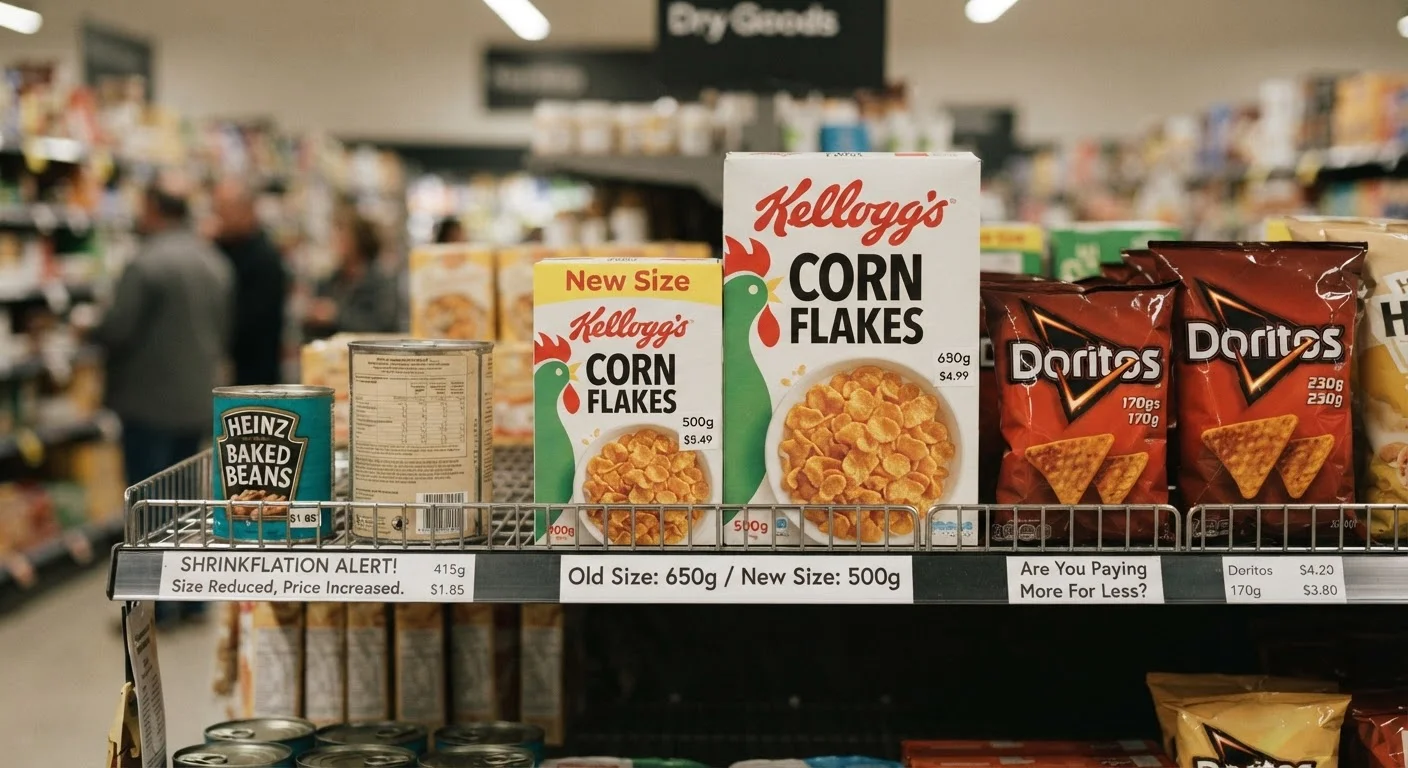
Retailers sometimes use promotional framing - inflated reference prices, artificial urgency, or percentage-off displays - to create the appearance of a discount without a genuine price reduction. Understanding pricing psychology tactics retailers use helps you distinguish a real off-season markdown from manufactured urgency. Cross-check prices using price history tools or by comparing across multiple retailers before committing.
Common Pitfalls and How to Avoid Them
Off-season buying has clear advantages, but a few traps are worth calling out explicitly.
Buying what you don't need because prices are low. A discounted product you wouldn't have purchased at full price is still an unnecessary expense. The goal is to time purchases you were already going to make - not to manufacture new ones.
Assuming off-season always means discount. Not every category follows clean seasonal cycles. Technology products, for example, often drop in price following new model releases rather than calendar seasons. Research the specific rhythm of each category before assuming timing alone gives you an edge.
Ignoring the cost of waiting. If your water heater fails in January, waiting for an off-season window in spring isn't a realistic strategy. Off-season buying works for planned, non-urgent purchases. For necessities, apply other frameworks - like price-per-use analysis - to make smarter choices under time pressure.
Overlooking product changes. Retailers sometimes clear inventory of older models during off-peak periods. That can be a genuine opportunity or a sign of quiet product downgrades. Check model numbers and specifications before buying.
Don't Confuse Clearance With Quality
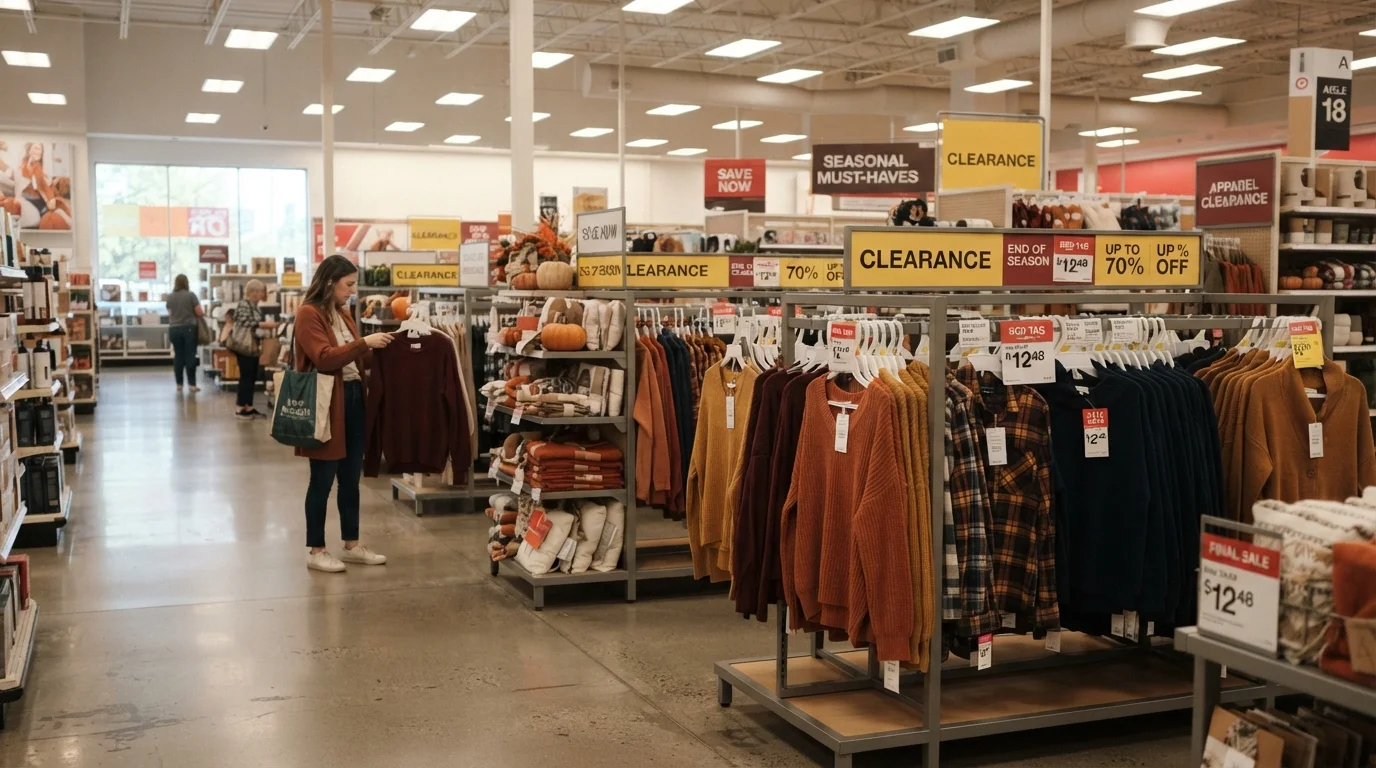
Off-season clearance sections can contain a mix of genuinely good deals and items that moved slowly for a reason - discontinued models, sizes or configurations with limited demand, or products with known issues. Always verify model specifications, check return policies, and confirm availability of replacement parts before purchasing clearance inventory.
Timing Adjacent to Other Seasonal Decisions
Off-season purchasing logic extends beyond retail goods. Vehicle maintenance, for instance, has its own seasonal rhythm - and front-running that cycle can reduce both cost and friction. Our guide on seasonal car prep outlines how to time maintenance proactively, which often means buying tires and supplies before peak-season demand spikes.
Similarly, some financial and insurance decisions are governed by fixed windows rather than flexible timing. Open enrollment periods, for example, have hard deadlines that don't move regardless of market conditions. Knowing the difference between a flexible purchase you can time strategically and a mandatory deadline you can't shift is part of mature consumer planning.
For deeper context on how retailers frame pricing to influence perception - separate from when prices actually change - see our overview of common buyer pitfalls. Pricing psychology and purchase timing work on different levers, but both reward shoppers who understand the mechanics behind what they're seeing.