Key Takeaways
- Store-brand and name-brand products frequently share the same manufacturers, ingredients, or formulations.
- Price differences between generic and name-brand items often reflect marketing spend, not quality gaps.
- Some categories - including OTC medications and pantry staples - show little meaningful difference in independent tests.
- In a few categories like infant formula and medical devices, label scrutiny and professional guidance matter more.
- Independent third-party testing is a more reliable quality signal than packaging claims or price alone.
The Packaging Changes. The Product Often Doesn't.
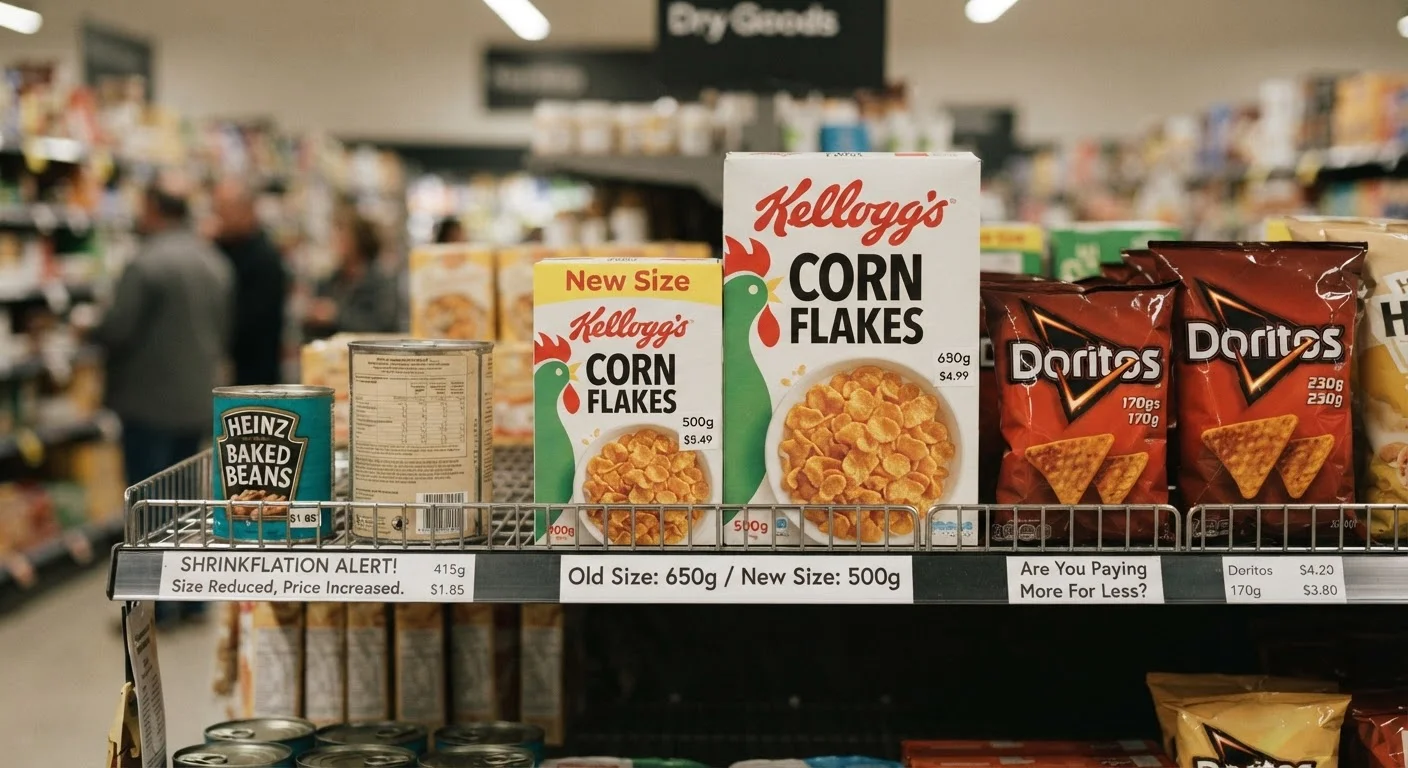
Walk down any grocery or pharmacy aisle and the pricing gap between store brands and name brands can feel significant - sometimes 20 to 40 percent on the same shelf. That spread tends to create a mental shortcut: higher price equals higher quality. But a meaningful body of consumer research and independent product testing challenges that assumption more than most shoppers realize.
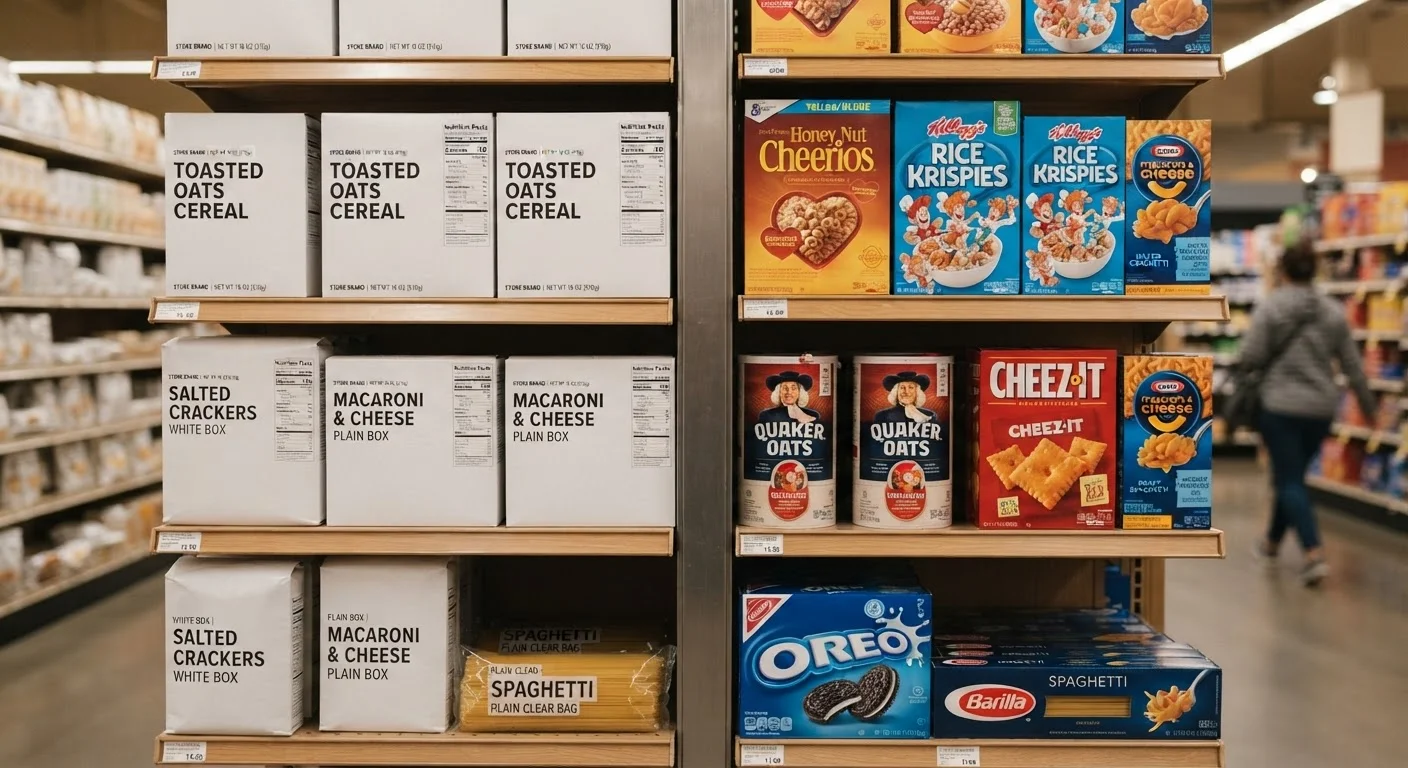
Retailers have long sourced products from the same contract manufacturers that supply major name brands. In packaged foods, over-the-counter drugs, and household staples, the same facility - sometimes the same production run - may yield two products with different labels and very different price tags. Understanding when this is the norm and when it isn't can sharpen how you spend.
For a deeper look at how price and quality actually correlate across product categories, see what research reveals about price as a quality signal. And if you want to know how to evaluate the studies behind product claims, understanding independent vs. brand-sponsored testing is essential reading before drawing conclusions.
Common Myths - And What the Evidence Shows
The store-brand debate is dense with assumptions that feel intuitive but don't hold up well under scrutiny. Below, we work through the most persistent ones.
Myth
Store-brand products are made with cheaper, lower-quality ingredients.
Fact
In many categories, store brands use the same ingredients - and sometimes the same formulations - as name-brand products.
Consumer Reports and similar independent testing organizations have repeatedly found that store-brand foods, cleaning products, and OTC medications perform comparably to their name-brand equivalents. The cost difference typically reflects advertising budgets, brand licensing, and retail positioning - not ingredient sourcing. That said, ingredient lists are always worth a direct comparison, since formulations can vary even within the same product category.
Myth
Name brands invest more in quality control, so their products are safer and more consistent.
Fact
Quality control standards are largely set by regulators and contract manufacturers, not by the brand name on the label.
For regulated categories like food, pharmaceuticals, and household chemicals, production facilities must meet the same federal standards regardless of whose label ends up on the product. When a single factory produces both the national brand and the retailer's store brand, the manufacturing process is identical. Brand ownership doesn't grant additional safety oversight - regulatory compliance does.
Myth
If a store brand is much cheaper, there must be a hidden trade-off somewhere.
Fact
The savings often come from eliminated marketing costs, not compromised quality.
National brands spend heavily on national advertising campaigns, celebrity endorsements, slotting fees for premium shelf placement, and packaging design. Store brands bypass most of those costs. Retailers also benefit from higher margins on their own labels, which gives them pricing flexibility. The consumer absorbs a brand's marketing budget every time they choose a name brand - that's the trade-off, not quality.
Myth
Taste tests always favor name brands, especially in food.
Fact
Blind taste tests frequently show no consistent consumer preference for name-brand foods over store-brand equivalents.
Multiple blind taste studies - including those conducted by consumer advocacy organizations - have found that when packaging is removed from the equation, tasters often cannot reliably distinguish store-brand products from name brands, or prefer them in equal measure. Brand familiarity and packaging create a perception of superiority that doesn't always survive an unbiased sensory comparison. This is a well-documented cognitive bias, not a quality signal.
Myth
Generic OTC medications are less effective than brand-name versions.
Fact
The FDA requires generic drugs to be bioequivalent to their brand-name counterparts - meaning the same active ingredient, same dose, same effect.
Generic medications must pass bioequivalence testing before FDA approval. This means the active ingredient reaches the bloodstream at the same concentration and rate as the original branded drug. Inactive ingredients (fillers, binders, dyes) may differ and can occasionally matter for people with specific sensitivities - but the therapeutic effect is required by law to be equivalent. This is one of the most evidence-backed areas of the store-brand debate.
~30%
Average price difference, store vs. name brand
Consumer advocacy research consistently finds store-brand grocery and pharmacy items priced roughly 20-40% below equivalent name-brand products on average.
90%+
Generic drug market share by volume in the U.S.
According to FDA data, generic drugs account for more than 90% of prescriptions dispensed in the United States, reflecting widespread acceptance of bioequivalent alternatives.
Where the Distinction Actually Matters
Not every category is a coin flip. Research does point to a handful of areas where brand choice deserves more than a glance at the price tag.
Categories Where Extra Scrutiny Is Warranted
Infant formula, medical devices, and specialty supplements are categories where regulatory standards, ingredient sourcing, or formulation complexity make simple store-vs.-name-brand comparisons less reliable. For infant formula specifically, consult your pediatrician before switching brands. For medical devices, check for relevant certifications. For supplements in either tier, third-party testing verification matters more than price or brand.
OTC medications are one of the clearest cases where store brands reliably hold up. The FDA requires generic drugs to demonstrate bioequivalence to their name-brand counterparts, meaning they must deliver the same active ingredient at the same dosage with the same effect. This is regulatory fact, not marketing language.
Pantry staples - flour, sugar, canned vegetables, basic spices - are another category where ingredient lists are often identical and taste tests frequently find no meaningful consumer preference for the name brand.
Supplements, however, are a different story. Because the supplement industry operates under looser regulatory standards than pharmaceuticals, label claims and actual contents can diverge regardless of brand tier. For context on that specific challenge, see why supplements don't always deliver what the label implies.
For categories like electronics, personal care devices, or infant nutrition, doing additional research - including checking independent test results - is worthwhile. The product research tips hub is a practical starting point. Shoppers trying to pair brand decisions with volume purchasing should also weigh when bulk buying saves money and when it doesn't.
This article is for general informational purposes only and does not constitute medical, financial, or professional advice. Consult a qualified professional for decisions specific to your circumstances.