

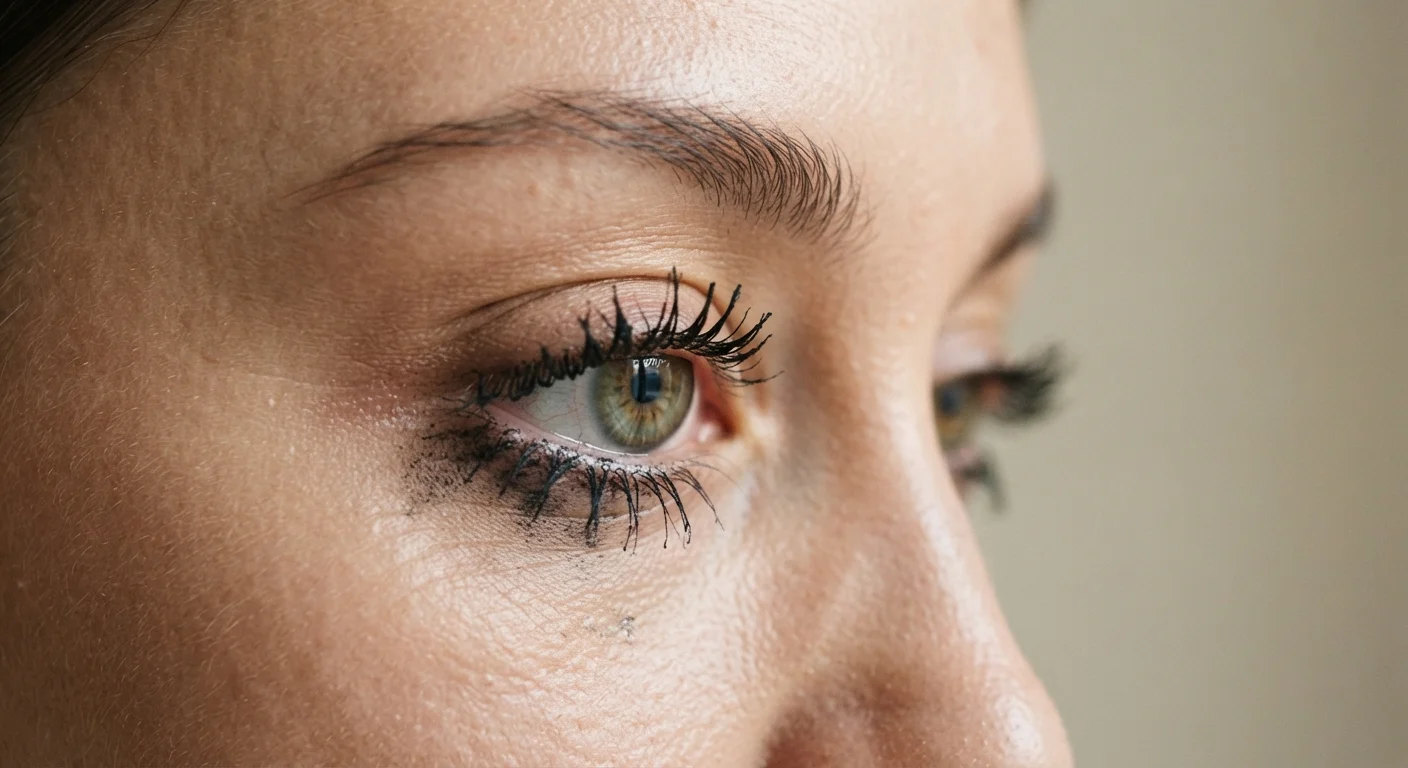
Key Takeaways
- Oily skin, eye creams, and moisturizer migration are leading causes of mascara smudging.
- Applying too many coats while lashes are still wet dramatically increases transfer and fallout.
- Primer placement and skincare layering order directly affect how long mascara stays put.
- A few targeted technique changes - not necessarily a new product - can solve most smudging issues.
Why Mascara Smudging Is Usually a Technique Problem, Not a Product Problem
Most people's first instinct when mascara smudges is to reach for a different formula. Waterproof, tubing, lengthening, volumizing - the options feel endless. But in the majority of cases, the real culprit isn't the mascara itself. It's the environment you're applying it into: the skincare underneath, the oils your skin naturally produces throughout the day, and the habits formed from years of rushed morning routines.
Understanding why mascara migrates requires a basic grasp of how it interacts with skin. Mascara is film-forming - it clings to lashes and dries into a flexible coat. When oils, humectants, or moisture from your skincare reach the lash base and surrounding skin, that film softens and transfers. The result? Classic raccoon eyes by 10 a.m.
Before overhauling your makeup bag, it's worth auditing your technique. The order of your skincare and makeup routine plays a larger role in mascara longevity than most people realize.
Applying mascara immediately after eye cream.
Why it happens: Eye cream is typically the last skincare step before makeup, so it feels logical to go straight into mascara. But most eye creams are rich and slow to absorb fully.
Pumping the mascara wand in and out of the tube repeatedly.
Why it happens: It feels like loading more product onto the brush, but it actually pushes air into the tube, drying out the formula faster and creating clumpy, flaky texture.
Skipping an eye primer or lid-setting step before mascara.
Why it happens: Eye primer feels like an optional extra step, especially for minimalists. Most people focus primer use on the lids for eyeshadow, not on the undereye area where mascara actually transfers.
Applying multiple coats without waiting for each to dry.
Why it happens: Rushing through a morning routine leads to layering wet coat on wet coat. This creates a thick, unstable film that smears easily when it contacts the skin below the eye.
Using moisturizer all the way to the lash line.
Why it happens: Blending moisturizer thoroughly seems like good practice, but spreading a rich humectant-heavy formula up to the root of the lashes creates a slick surface that mascara can't adhere to securely.
Touching or rubbing the eye area during the day without realizing it.
Why it happens: Itchy eyes, adjusting glasses, or unconscious rubbing are extremely common. Each contact transfers oils from your fingertips directly onto lashes and the surrounding skin.
How to Build Smudge-Proof Habits That Actually Last
Once you've identified which mistakes apply to your routine, the fixes are generally straightforward. The underlying principle is the same across all of them: give each product layer adequate time to set before applying the next, and be strategic about where rich, occlusive skincare products are applied near the eye area.
~66%
People with oily or combination skin
Dermatological estimates suggest roughly two-thirds of adults have oily or combination skin types, the skin types most associated with accelerated mascara migration.
5 min
Recommended wait time after eye cream
Most cosmetic chemists and makeup artists recommend a minimum five-minute absorption window after applying eye cream before applying any eye makeup.
An eye primer - a thin, mattifying base applied to the lid and just under the lower lash line - creates a barrier between skin oils and mascara. This single step can meaningfully extend wear time without requiring a formula switch. Similarly, setting a light dusting of translucent powder under the lower lash line before applying mascara absorbs excess oil and gives the product something drier to rest against.
Mascara application technique also matters more than most tutorials acknowledge. Wiggling the wand at the base of lashes rather than swiping straight up distributes product more evenly and reduces the thick clumping that tends to flake throughout the day. Letting each coat dry fully - roughly 30 seconds - before adding another prevents buildup that smears on contact with the undereye skin.
For those who find that skincare is the primary trigger, it may be worth reviewing whether your current skincare routine is working for or against you. Sometimes product overload creates a slick surface that no mascara formula can reliably grip.
Avoid Using Waterproof Mascara Daily as a Fix
Waterproof mascara can seem like the obvious solution to smudging, but relying on it every day comes with trade-offs. Removing it requires more aggressive rubbing or oil-based removers, which can stress the delicate undereye skin and contribute to lash breakage over time. It's better used strategically - for high-humidity days or occasions requiring longer wear - rather than as a default daily formula.
Building a smudge-resistant routine doesn't require an entirely new makeup kit. For practical guidance on what products are genuinely worth keeping in daily rotation, see what belongs in an everyday makeup bag and how a minimal routine can still look polished.