

Key Takeaways
- Trends emerge from cultural, economic, and social forces - not arbitrary designer decisions.
- Understanding core vocabulary makes navigating fashion significantly less overwhelming.
- Personal style is built gradually through observation, experimentation, and self-awareness.
- A wardrobe built on intention outperforms one driven purely by trend-chasing.
- You don't need to follow every trend to dress confidently and well.
Start here
How Fashion Trends Actually Form
Next
Key Style Concepts Every Beginner Should Know
Then
The Difference Between Trends and Personal Style
Apply it
Building a Wardrobe With Intention
Keep going
Where to Go From Here
How Fashion Trends Actually Form
Fashion can seem like an arbitrary whirlwind, but trends follow recognizable patterns. They emerge from a mix of cultural mood, economic climate, celebrity and media influence, and the cyclical nature of the industry itself. Understanding how the fashion industry's seasonal calendar works helps demystify why certain looks suddenly appear everywhere.
Trends travel in waves - starting with early adopters, filtering through mainstream retail, then eventually receding. Historically, direction flowed from designer runways downward. Today, that pipeline is far less linear: a single street style image or cultural moment can spark a widespread shift just as powerfully as a couture presentation. Color movements across decades illustrate how cultural forces consistently revive certain palettes, often decades apart.
Trend Timelines Are Compressing
Social media has dramatically shortened the lifespan of many trends. What once took a full fashion cycle - roughly six months to a year - to move from runway to mainstream can now happen in weeks. This acceleration makes it more valuable than ever to ground your wardrobe in pieces with longer relevance rather than reacting to every new wave.
Key Style Concepts Every Beginner Should Know
Before you can develop your own point of view on fashion, a shared vocabulary helps enormously. Terms like silhouette (the overall shape a garment creates), drape (how fabric falls and moves), and colorway (a specific combination of colors offered within a design) are the building blocks of how clothes are described and evaluated. A full fashion vocabulary reference can shortcut a lot of confusion when reading about style online or in stores.
Silhouette
The overall shape or outline a garment creates when worn. It describes whether clothing is structured, flowing, fitted, or voluminous - before any details are considered.
Capsule wardrobe
A small, intentional collection of versatile pieces that coordinate well together. The goal is maximum outfit flexibility from a minimum number of items.
Colorway
A specific set of colors in which a particular garment or design is produced. The same style offered in navy/white and red/black would be considered two separate colorways.
Micro-trend
A very specific, short-lived style moment - often amplified by social media - that rises and fades faster than broader seasonal trends.
Proportion
The visual balance between the volume and length of a garment's top and bottom halves. Good proportion is what makes an outfit feel balanced and deliberate rather than off.
Drape
How a fabric falls and moves on the body. A fabric with good drape flows and conforms naturally; stiff fabrics hold their own shape instead.
Equally important is understanding the difference between a classic and a trend, between a wardrobe staple and an investment piece, and what stylists mean by proportion - that is, the balance of volume and length between the top and bottom halves of an outfit. These aren't abstract concepts; they directly determine whether clothes feel intentional or haphazard when worn together.
The Difference Between Trends and Personal Style
Trends are external signals about what is currently popular. Personal style is an internal, evolving expression of who you are and how you want to present yourself. The two can coexist productively, but conflating them causes confusion and overspending. Chasing each new fashion cycle carries hidden costs - financial, environmental, and in terms of developing a coherent wardrobe identity.
A more sustainable approach is to understand which trends genuinely align with your existing aesthetic and engage with those selectively. Trend-led dressing has real upsides and real downsides - and being aware of both helps you make more deliberate choices rather than reactive ones.
Engage Trends Selectively, Not Wholesale
When a new trend catches your eye, ask whether it genuinely complements the pieces you already own and wear regularly. If it only works as a standalone statement, it may create more wardrobe friction than value. Selecting one or two trend-adjacent pieces per season is a manageable, low-risk way to stay current without losing your style identity.
Building a Wardrobe With Intention
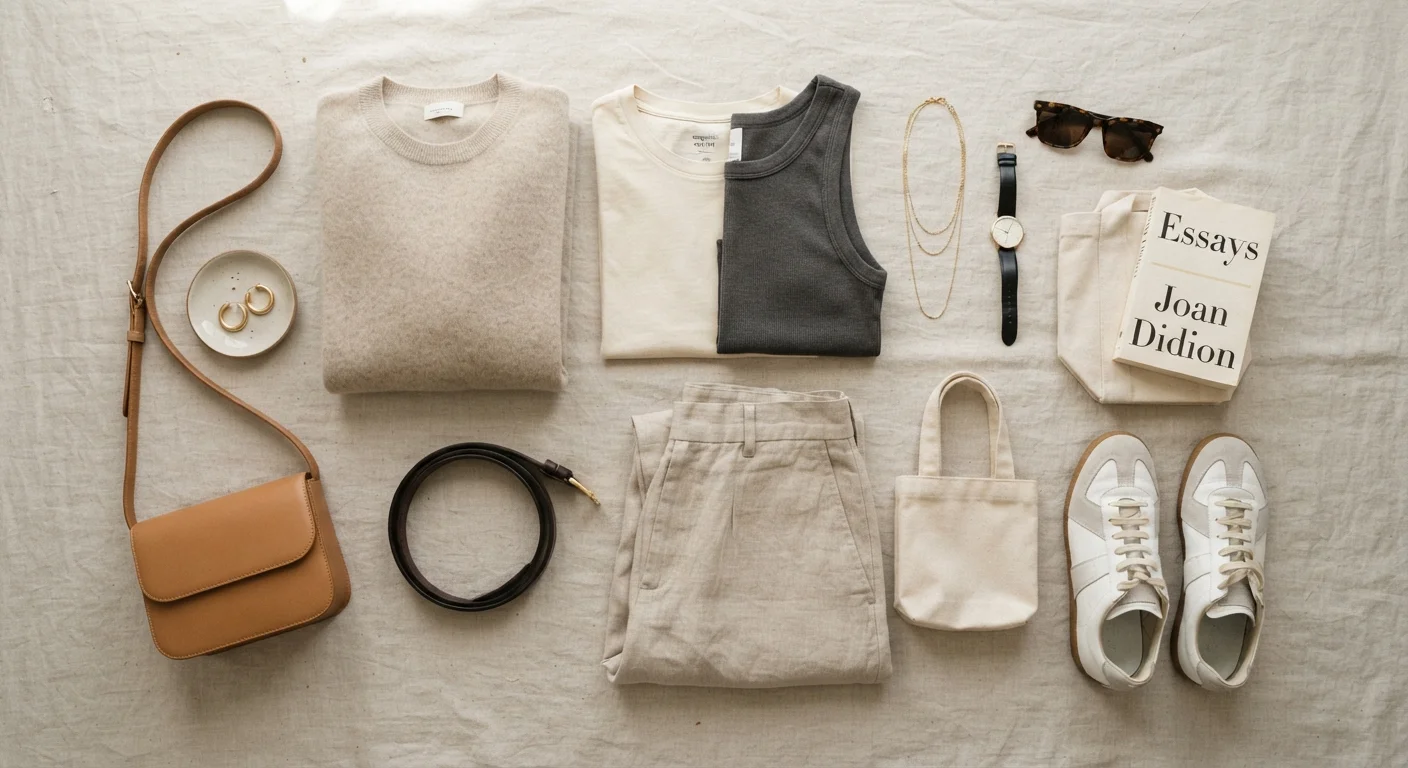
A wardrobe built with intention starts with self-observation: What do you consistently wear? What sits untouched? What occasions does your life actually require? Answering these questions honestly is more useful than following any external checklist. From there, filling genuine gaps - rather than accumulating pieces that feel exciting in-store but unused at home - becomes much easier.
The concept of a capsule wardrobe is useful here: a curated core of versatile pieces that work together across multiple outfits and contexts. Strategies for getting the most value without overspending are especially relevant when building this foundation thoughtfully rather than impulsively. Equally, evaluating pieces carefully before purchase reduces the likelihood of regret-driven returns or wardrobe clutter.
Where to Go From Here
Developing personal style is a gradual process, not a single decision. Once you have a grounding in how fashion works and the vocabulary to navigate it, the next practical steps involve applying those concepts across real-world situations - including adapting your wardrobe between seasons without constant repurchasing, and moving toward a more lasting personal style anchored in intention.
It's also worth questioning the style rules you may have inherited. Many widely repeated guidelines don't hold up under scrutiny - common fashion myths examined honestly reveal that confident, considered dressing is less about rigid rules and more about understanding how the underlying principles actually work.
Fashion Vocabulary Reference Guide
A plain-language glossary of common fashion terms - silhouette, drape, colorway, and more - useful for navigating style content with confidence.
Seasonal Fashion Cycle Overview
An explanation of how the fashion industry's runway-to-retail calendar operates and what it means for everyday wardrobe decisions.
Smart Budget Buying Strategies
Practical approaches to getting lasting value from clothing purchases without overspending or succumbing to impulse buying pressure.