

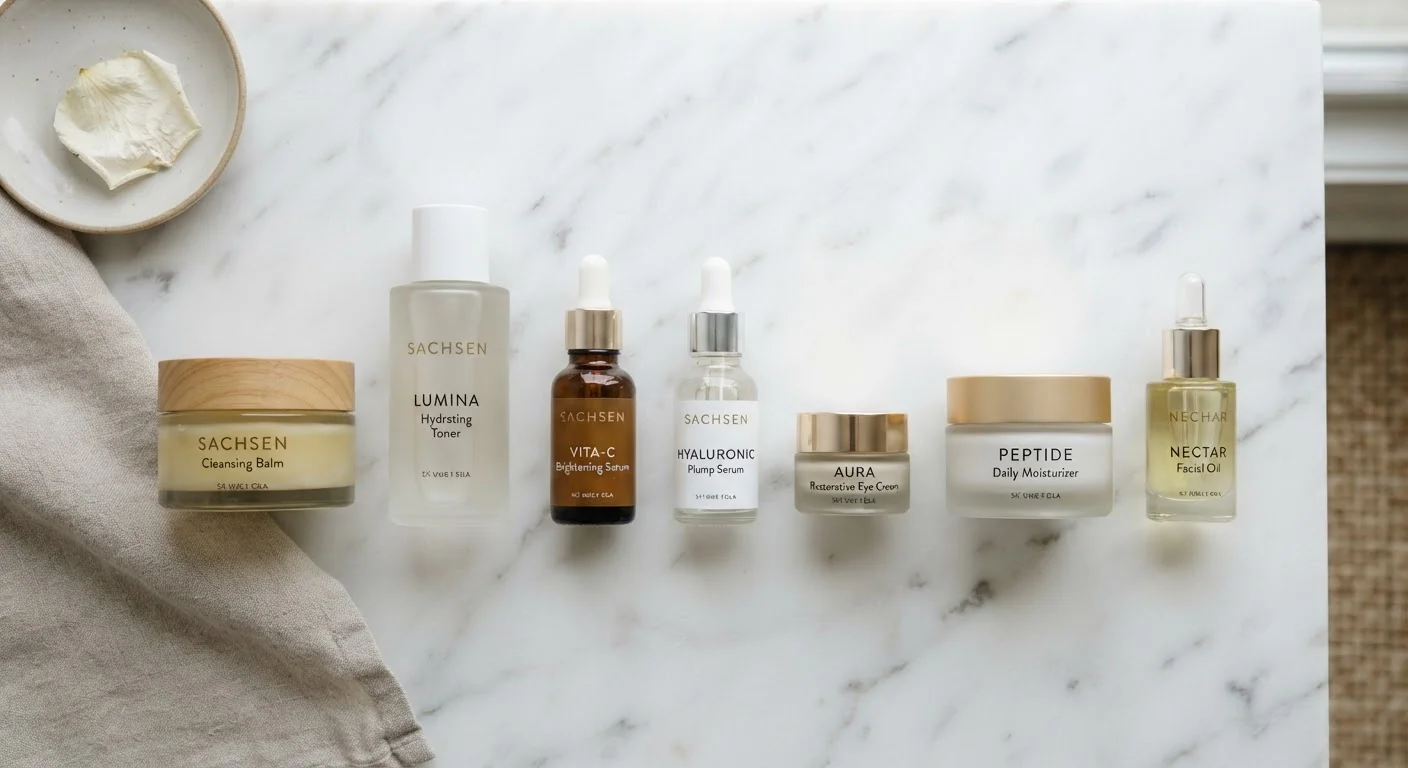
Key Takeaways
- Apply skincare products in order of thinnest to thickest consistency for maximum absorption.
- Certain active ingredients like AHAs and retinol can irritate skin when used together in the same routine.
- Allowing products to absorb for 30-60 seconds between layers reduces pilling and improves effectiveness.
- SPF always goes last in a morning routine and should never be diluted by layering products over it.
- A simplified routine applied correctly outperforms a complex one applied in the wrong order.
What you will need
Why Layering Order Actually Matters
Most people assume that if they're using quality skincare products, the results will follow. But dermatologists consistently point to application order as one of the most overlooked factors in whether a routine actually delivers. Products applied in the wrong sequence can physically block absorption, alter each other's pH levels, or simply sit on top of the skin doing nothing.
The skin's surface is selectively permeable - it allows certain molecules through while blocking others. Heavier, occlusive products like moisturizers create a physical barrier. If you apply one before a water-based serum, the serum molecules can't pass through. You've essentially paid for an ingredient that never reached its target layer. If you're building your routine from the ground up, understanding this principle first will save you both money and frustration.
The governing rule is straightforward: thinnest to thickest. Water-based products go before oil-based ones. Light serums go before heavier creams. Actives go before occlusives. Following this logic alone resolves most layering confusion.
When in Doubt, Simplify First
A two-step routine - cleanser and moisturizer with SPF - applied in the correct order will always outperform a seven-step routine applied haphazardly. Build complexity gradually, adding one product at a time so you can observe how your skin responds to each new layer.
Before You Start: What You Need
No special tools are required, but understanding your product types before you begin makes the sequencing instinctive. Take a moment to read your skincare labels and identify whether each product is water-based or oil-based, and note any active ingredients it contains.
What you will need
Gentle Cleanser
Removes impurities and excess oil so active ingredients can penetrate cleanly.
Hydrating Toner or Essence
Balances skin pH after cleansing and preps the surface for serum absorption.
Targeted Serum(s)
Delivers concentrated active ingredients to address specific skin concerns.
Moisturizer
Seals hydration and active ingredients against the skin barrier.
Broad-Spectrum SPF 30+
Protects the skin from UV damage; always the final step in a morning routine.
Facial Oil
Adds an extra occlusive layer; applied after moisturizer in an evening routine.
Step-by-Step Layering Method
Follow these steps consistently morning and evening, adjusting your specific products for AM vs. PM needs. Note that retinoids and some exfoliating acids are generally recommended for evening use only - consult a dermatologist if you're unsure what's appropriate for your skin type.
Cleanse and Dry Your Face
Start every routine with a clean canvas. Use a gentle cleanser suited to your skin type, then pat - don't rub - your face dry with a clean towel. Slightly damp skin can actually enhance absorption of the next layer, so you don't need to wait until your face is completely dry before moving on.
Apply Toner (If Using)
Toners are the thinnest liquid in most routines and go directly after cleansing. They can help balance skin's pH after cleansing and prep the surface for the next steps. Apply with clean hands or a cotton pad using gentle, sweeping motions. Allow it to absorb fully before proceeding.
Layer Serums Thinnest First
If you use multiple serums, apply the lightest, most watery one first and work up to thicker formulas. Press each serum gently into the skin rather than rubbing - this supports absorption and minimizes friction on the skin barrier. Wait approximately 30-60 seconds between serums before applying the next.
Apply Eye Cream (If Using)
Eye creams typically have a slightly different formulation than facial moisturizers and are designed for the delicate periorbital area. Apply with your ring finger using a gentle tapping motion - never drag - along the orbital bone. This step comes after serums but before heavier face creams.
Seal With Moisturizer
Moisturizer acts as the occlusive layer that locks in everything applied beneath it. Apply a pea-to-dime-sized amount and press it evenly across your face and neck. At this point in the sequence, the moisturizer isn't just hydrating - it's actively trapping the active ingredients beneath it against your skin.
Apply SPF Last (Morning Only)
In a morning routine, broad-spectrum sunscreen with SPF 30 or higher is the non-negotiable final step. SPF must sit as a continuous, unbroken layer on the skin to perform as tested. Applying any product on top of it can dilute coverage. If you wear makeup, skincare before makeup sequencing ensures SPF is fully set before foundation or tinted products are applied.
Over-Layering Can Compromise Your Skin Barrier
Using too many active ingredients in a single routine can strip or irritate the skin's natural barrier. Signs include persistent redness, tight or flaky skin, or sudden breakouts. If this occurs, scale back to basics and reintroduce products one at a time. A dermatologist can help identify which products may be causing the reaction.
Ingredient Conflicts to Know Before You Layer
Layering order matters, but so does which products you layer together at all. Some active ingredient combinations reduce each other's effectiveness; others can cause irritation when used in the same session. Our full breakdown of active ingredients that don't play well together covers specific pairings in detail, but a few principles are worth internalizing now.
High-concentration vitamin C (ascorbic acid) works best in a low-pH environment. Niacinamide operates at a higher pH. Using them together in the same layer may reduce the efficacy of one or both - though the degree of interaction is debated in the research literature. Similarly, using AHAs and retinol in the same routine can compound irritation, particularly for sensitive skin. A smarter approach: alternate these actives across evenings, or use one in the morning and one at night where formulations permit.
Once you've established a reliable layering routine, you may also want to explore the trade-offs of a minimalist routine - fewer products can mean fewer conflicts and a lower risk of over-layering.
Active Ingredients Require Careful Sequencing
Retinoids, exfoliating acids (AHAs and BHAs), and high-dose vitamin C are powerful ingredients that can irritate skin when misused or combined carelessly. This article provides general educational guidance - it is not a substitute for personalized advice from a licensed dermatologist, especially if you have sensitive skin, a skin condition, or are pregnant.